
Understanding Astaxanthin: What You Need to Know
The Origins of Astaxanthin
Astaxanthin is a powerful carotenoid that belongs to a larger family of organic pigments found in a variety of plants and microorganisms. This red pigment is produced by algae, with the most notable source being Haematococcus pluvialis, a freshwater green microalga. Astaxanthin is responsible for the pink-orange color of many marine organisms, including salmon, shrimp, and flamingos. Its role goes beyond aesthetics; it serves as a natural antioxidant that protects these organisms from environmental stressors.
Health Benefits of Astaxanthin
The health benefits of astaxanthin are numerous and have garnered significant research interest over the years. Key advantages include:
- Antioxidant Properties: Astaxanthin is reputed to be one of the most potent antioxidant compounds. It boasts the ability to neutralize free radicals more effectively than other antioxidants, potentially reducing oxidative stress and inflammation.
- Support for Eye Health: Some studies suggest that astaxanthin may improve vision and promote overall eye health, especially in reducing the risk of age-related macular degeneration.
- Skin Benefits: Astaxanthin may enhance skin complexion by reducing signs of aging and protecting against UV damage, making it a popular ingredient in skincare products.
- Cardiovascular Health: By promoting healthy lipid profiles, astaxanthin can contribute to improved cholesterol levels and overall heart health.
Who Should Consider Astaxanthin?
Astaxanthin supplementation may benefit a variety of populations, including athletes looking for recovery support, individuals experiencing skin aging, and those concerned about general health due to environmental factors. It's particularly suitable for those seeking to enhance their antioxidant intake or protect their skin from UV damage. However, before starting any supplement, it’s crucial to consult a healthcare professional, especially for individuals with pre-existing health conditions.
Astaxanthin Dosage Guide: Finding Your Ideal Intake
Recommended Daily Dosage for Adults
The typical recommended dosage of astaxanthin for healthy adults ranges from 4 to 12 mg per day. Some studies have shown that taking 6 to 8 mg can be effective for general health support, including antioxidant effects. Individuals looking for enhanced benefits, such as improved exercise performance or skin health, might opt for dosages closer to 12 mg. It’s advisable to start at a lower dose and gradually increase as needed, monitoring how your body responds.
Dosage for Specific Health Conditions
For specific health issues, dosages can vary significantly:
- Joint Pain: For individuals managing joint discomfort, higher doses in the range of 12 to 18 mg may provide noticeable relief.
- Cardiovascular Health: A daily dose of around 12 mg is often recommended to promote heart health and improve lipid profiles.
- Athletic Performance: Athletes might benefit from 4 to 8 mg during intensive training to aid recovery and endurance.
Adjusting Dosage Based on Lifestyle Factors
Further adjustments to astaxanthin dosages can be made based on lifestyle factors such as diet, exercise, and overall health status. Individuals with an active lifestyle or dietary deficiencies may require slightly higher doses. Additionally, factors such as age and metabolic rate should be considered when determining the ideal intake.
Forms of Astaxanthin: Which One to Choose?
Pills vs. Liquid Supplements
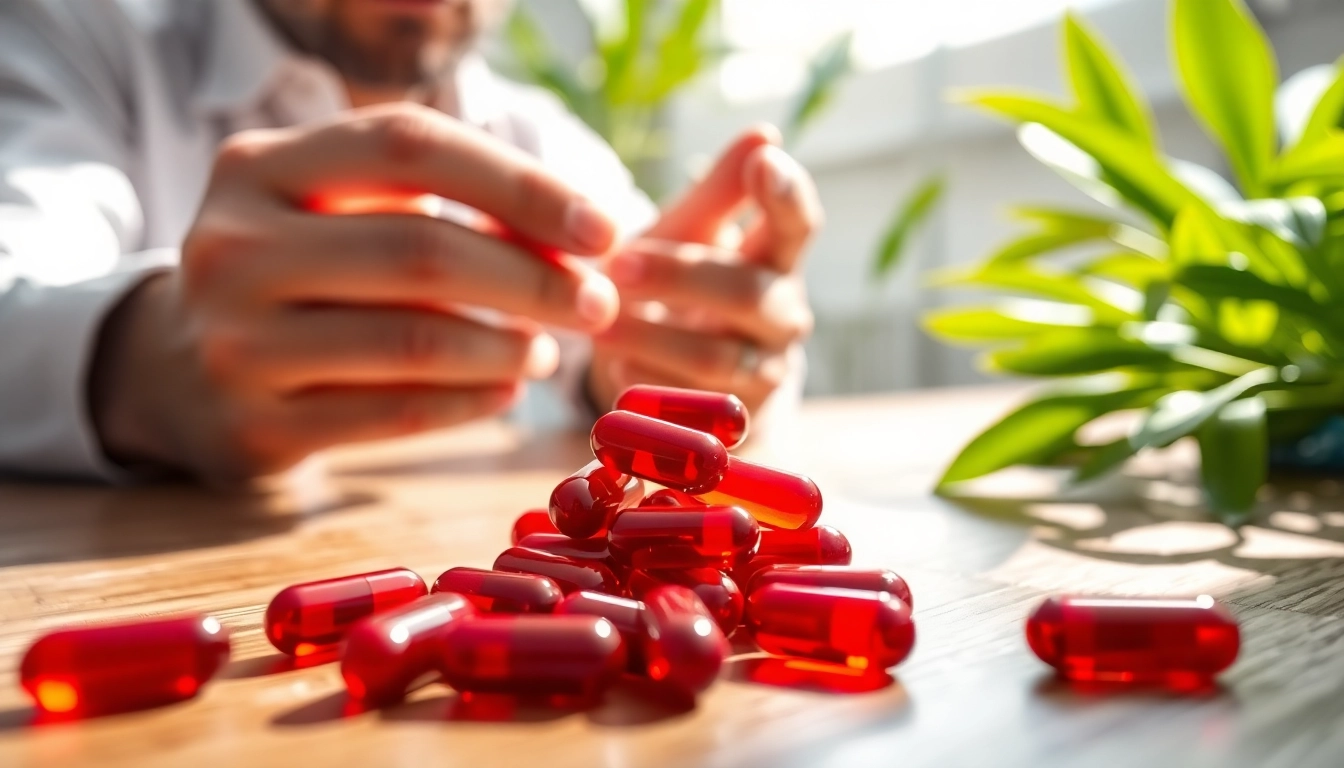
Astaxanthin supplements are available in various forms, including pills, capsules, and liquid. Pills and capsules are convenient and easy to take, providing a consistent dosage. Liquid astaxanthin can be more easily absorbed by the body but may have a shorter shelf life. Users should choose based on their personal preference, ease of use, and any recommendations from healthcare professionals.
Natural Sources of Astaxanthin
While supplements are a popular choice, incorporating natural sources of astaxanthin into the diet can be beneficial. Foods such as salmon, trout, shrimp, krill, and red algae are rich in this antioxidant. Eating a diet rich in these foods can help ensure adequate intake while providing additional nutrients important for overall health.
Understanding Supplement Quality
When choosing an astaxanthin supplement, it’s crucial to consider the quality. Look for products that are third-party tested for purity and potency. The source of astaxanthin matters; those derived from natural sources such as Haematococcus pluvialis are typically preferred for their superior antioxidant properties compared to synthetic varieties.
Potential Side Effects and Considerations
Common Side Effects of Astaxanthin
Astaxanthin is generally considered safe for most people when taken as directed; however, some may experience side effects such as:
- Mild digestive discomfort
- Skin color changes (often benign, but noticeable at high doses)
- Headaches in rare cases
Interactions with Other Medications
Astaxanthin may interact with certain medications, particularly those affecting blood clotting and cholesterol levels. If you are on anticoagulants or statins, it’s essential to discuss astaxanthin use with your healthcare provider to prevent potential complications.
When to Consult a Healthcare Professional
Consultation is advised if you’re pregnant, nursing, or have a pre-existing medical condition. If you notice any adverse effects or have concerns about drug interactions, a healthcare professional should be consulted promptly.
FAQs About Astaxanthin Dosage
What is the best time to take astaxanthin?
The best time to take astaxanthin is with a meal to enhance absorption, as it is fat-soluble. Taking it in the morning with breakfast or a healthy fat-containing meal is often recommended.
Can I take astaxanthin with food?
Yes, taking astaxanthin with food, particularly those that contain healthy fats, helps improve its absorption in the body. Combining it with a meal can enhance its benefits.
Is there such a thing as too much astaxanthin?
While astaxanthin is relatively safe, high doses above 12 mg per day may lead to mild side effects. It’s always best to follow recommended guidelines and consult a professional before increasing your intake.
What effects might I see from taking astaxanthin?
Users may experience improved skin health, enhanced athletic performance, and reduced inflammation. Benefits can vary among individuals, but many report notable results within weeks.
How does astaxanthin benefit skin health?
Astaxanthin can enhance skin hydration, elasticity, and reduce the appearance of fine lines and wrinkles. It protects against UV damage and contributes to an overall radiant complexion.
For a deeper exploration into astaxanthin dosage guide and your health, consult with your healthcare provider.