Understanding Work Zone Safety for Colorado Contractors
What is Work Zone Safety?
Work zone safety encompasses the strategies and measures implemented to protect workers, vehicles, and pedestrians in construction areas. It involves regulating traffic flow, maintaining the safety of on-site personnel, and ensuring the overall integrity of the work environment. work zone safety colorado contractors is a fundamental aspect of any construction project, aiming to minimize risks associated with hazards such as moving vehicles, equipment malfunction, and potential accidents.
The Importance of Safety in Construction Zones
The significance of work zone safety cannot be overstated, especially in high-traffic areas typical of Colorado's urban centers. The presence of construction activities increases the likelihood of accidents which can lead to severe injuries or fatalities for workers and motorists alike. Ensuring that all safety protocols are followed not only protects lives but also mitigates financial losses from work stoppages, insurance claims, and legal liabilities. Additionally, adhering to established safety standards fosters trust between contractors and the community, enhancing reputations and encouraging future projects.
Legal Guidelines for Colorado Contractors
Colorado has specific regulations governing work zone safety, primarily outlined by the Colorado Department of Transportation (CDOT). These guidelines dictate the necessary safety measures that contractors must implement, such as proper signage, barriers, and traffic control devices. Compliance with OSHA (Occupational Safety and Health Administration) standards is also critical, and it requires that contractors regularly evaluate their safety measures, conduct risk assessments, and provide adequate training and resources to their employees. Failure to adhere to these regulations not only endangers lives but also exposes contractors to significant legal repercussions.
Common Risks in Work Zones
Identifying Hazards on the Job
Identifying potential hazards is a crucial step in ensuring safety at work zones. Common risks include unprotected edges, moving vehicles, overhead loads, and equipment operation. Workers must be trained to recognize these possible dangers and to act accordingly. Regular site inspections and updates on potential hazards should be part of the contractor's routine, as conditions can frequently change based on weather, work progression, or the introduction of new equipment.
Common Accidents and Preventative Measures
Common accidents in work zones include collisions, falls from heights, and being struck by equipment or materials. To combat these issues, contractors can employ several preventative measures, such as implementing robust traffic control strategies, using personal protective equipment (PPE), establishing clear communication protocols, and utilizing technology such as drones or sensors to monitor safety conditions on site. Each of these measures can greatly reduce the probability of accidents, ensuring a safer working environment for all involved.
Importance of Ongoing Safety Training
Ongoing safety training is paramount. It equips workers with the knowledge to recognize hazards and react appropriately. Training should cover the use of safety equipment, emergency response plans, and the importance of following safety procedures. Continuing education opportunities such as workshops, seminars, or safety drills can also enhance workers' awareness and understanding of safety protocols. By fostering a culture of safety awareness, contractors can significantly reduce the incidence of accidents and promote a proactive approach to workplace safety.
Best Practices for Work Zone Safety
Effective Traffic Control Measures
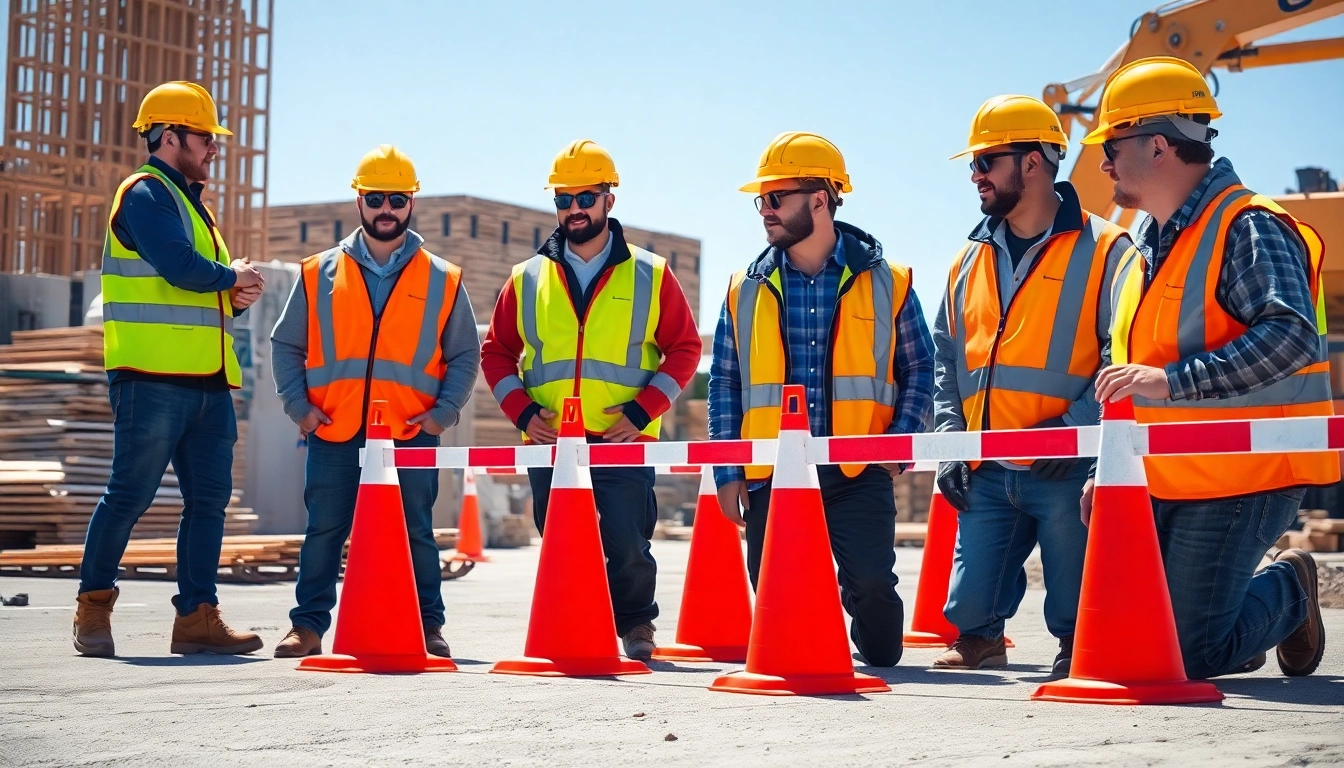
Traffic control measures are crucial in managing vehicle flow around construction zones. Effective practices include using temporary signals, cones, barriers, and signage that clearly inform drivers about the work zone and the necessary detours. Traffic management plans should be developed in accordance with local regulations and tailored to the specific conditions of the job site. Work zones should also be brightly lit and clearly marked to enhance visibility both day and night.
Utilizing Safety Equipment and Technology
The use of safety equipment and modern technology can significantly enhance work zone safety. This includes personal protective gear such as helmets, reflective vests, and impact-resistant boots. Additionally, employing technological solutions like real-time monitoring systems, automated alerts, and mobile apps for reporting incidents can help mitigate risks. By staying updated on emerging technologies, contractors can continuously improve their safety protocols and keep their workforce protected.
Creating a Safe Working Environment
Creating a safe working environment entails fostering collaboration among all team members and encouraging open communication regarding safety concerns. It is essential to establish clear safety protocols that employees understand and can readily access. Regular safety meetings that promote discussions on potential hazards and preventative measures are vital in instilling a culture of safety. Engaging workers in the safety planning process can also improve buy-in and compliance with safety measures.

Implementing a Safety Program
Components of a Comprehensive Safety Program
A comprehensive safety program should include several critical components: risk assessment, safety training, communication strategies, incident reporting, and ongoing evaluation. Conducting thorough risk assessments at the project’s outset enables contractors to identify specific hazards associated with the job. Incorporating employee feedback into the development of safety protocols ensures they are practical and applicable in real scenarios.
Training Employees: What to Include?
Training for employees should cover multiple facets of work zone safety, including hazard recognition, the use of safety equipment, emergency protocols, and the importance of maintaining a clean work site. Also essential are the roles of each worker in relation to safety, which can reduce confusion and enhance response during emergencies. Continuing education sessions should refresh workers on safety practices and introduce any new regulations or equipment.
Evaluating Program Effectiveness
Evaluating the effectiveness of a safety program involves analyzing incident reports, conducting safety audits, reviewing employee feedback, and monitoring compliance with safety protocols. This evaluation process should not be seen as a one-time task but rather as a continual aspect of the safety program that fosters ongoing improvement. Adjusting strategies based on evaluation results ensures that the safety program remains relevant and effective.
Frequently Asked Questions on Work Zone Safety
What are the key elements of work zone safety?
The key elements include traffic control measures, proper signage, safety training, personal protective equipment, and ongoing monitoring of site conditions.
How can contractors enhance work zone safety?
Contractors can enhance safety by implementing effective traffic management strategies, regular training for workers, using protective equipment, and fostering an open safety culture.
What regulations must Colorado contractors follow?
Colorado contractors must adhere to guidelines from the Colorado Department of Transportation and OSHA standards, focusing on risk assessment and safety measures.
How often should safety training be conducted?
Safety training should be ongoing, with initial training before work begins and refresher courses held regularly or whenever new hazards are introduced.
What is the role of traffic control in work zone safety?
Traffic control ensures safe movement of vehicles around work zones, minimizing the risk of accidents by guiding drivers and protecting workers on-site.