
The Fundamentals of AI Inference in Power Infrastructure
As the world continues to embrace advancements in artificial intelligence (AI), understanding the intricacies of AI inference becomes paramount, especially in the context of power infrastructure. AI inference refers to the process through which trained AI models make predictions or decisions based on new data. This technology is crucial for various applications, from autonomous driving to healthcare diagnostics. When exploring options, AI inference significantly relies on a robust power infrastructure that can support the high demands of computational resources required for real-time processing.
Understanding AI Inference and Its Role
AI inference is the actionable phase of AI development where models are deployed to make predictions or analyze data in real-world scenarios. Unlike the training phase, which involves intensive computations and data processing, inference occurs in a more resource-efficient manner. The ability to process inputs rapidly while lowering operational costs is particularly valuable as businesses increasingly pivot toward data-driven decision-making. It encompasses systems that convert data into actionable insights, making it central to applications such as natural language processing, computer vision, and autonomous systems.
How Power Infrastructure Supports AI Inference
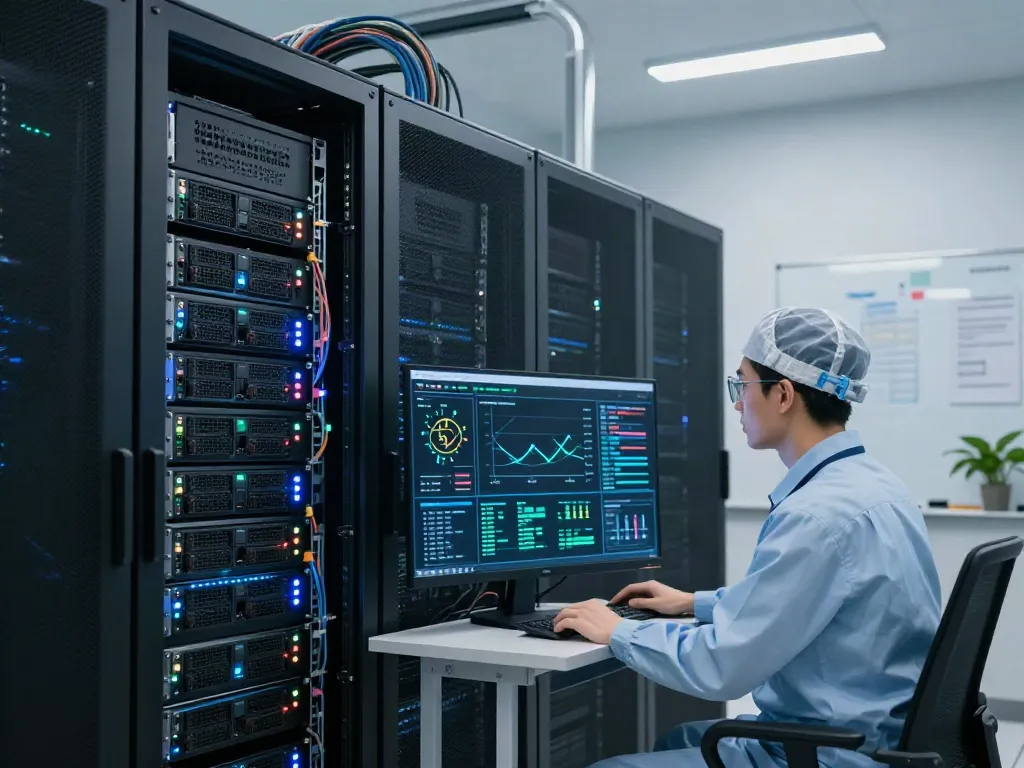
The backbone of AI inference is a resilient power infrastructure that facilitates the operation of data centers equipped with GPUs (Graphics Processing Units). These powerful processing units enable rapid calculations essential for running complex AI algorithms. Furthermore, AI inference requires constant access to electricity to ensure minimal latency and maximize throughput during operations. The convergence of AI and power infrastructure thus highlights the critical importance of reliable and scalable electrical systems that can adapt to varying workload demands.
Current Trends in AI Inference Technologies
As we advance into 2026, the field of AI inference is poised for transformation driven by several emerging trends:
- Edge Computing: With the growth of IoT devices, edge computing reduces the distance between data generation and processing, allowing for faster inference capabilities.
- Federated Learning: This decentralized approach enables AI models to learn from data across multiple devices while preserving privacy and security, thereby leveraging diverse data sources for improved inference.
- Neural Architecture Search (NAS): Innovations in NAS allow for the automated discovery of optimal model architectures, leading to more efficient inference processes tailored to specific tasks.
Exploring AI Infrastructure Power Plans
The backbone of AI operations encompasses not only advanced technologies but also structured power plans that ensure sufficient electricity for sustained inference workloads. Organizations need to align their power plans with their operational requirements and growth objectives. This strategic alignment is critical for optimizing performance while remaining cost-effective.
Types of Power Plans for AI Inference
Various power plans are available to cater to the distinct needs of organizations partaking in the AI token economy:
- Core Power Access (S1): Basic access for organizations beginning their AI journey, providing essential power support.
- Enhanced Power Access (S2): Suitable for businesses looking to scale operations without overcommitting to high-capacity power systems.
- Advanced Power Access (S3): Designed for enterprises with significant AI workloads that demand high reliability and availability.
Calculating Contribution Rewards in AI Infrastructure
One of the appealing aspects of joining the AI infrastructure power plans is the potential for receiving contribution rewards. Rewards are calculated based on the proportion of electricity supported by an organization’s plan compared to total electricity consumed by AI workloads. This model ensures that stakeholders are compensated fairly based on their diligent contributions to the overall energy ecosystem.
Aligning AI Infrastructure with Business Needs
For successful integration of AI systems, companies must evaluate their infrastructure's capacity to support AI inference demands. This includes considering scalability, efficiency, and the ability to adapt to evolving workloads in real-time. Effective alignment can lead to improved operational performance and greater ROI from AI initiatives.
Measuring the Impact of AI Inference in Energy Consumption
As organizations increasingly depend on AI for various functions, understanding the energy implications is crucial. Optimizing energy consumption can lead to reduced operational costs while supporting sustainable practices.
Evaluating Power Usage Effectiveness (PUE)
Power Usage Effectiveness (PUE) is a vital metric that organizations utilize to assess the efficiency of their data centers. This ratio compares the total energy consumed by a facility to the energy used solely for the IT equipment. A lower PUE indicates more efficient data center operations, which is essential for high-demand AI inference systems.
Strategies for Optimizing Energy Efficiency
To enhance energy efficiency, organizations can implement several strategies, including:
- Dynamic Workload Management: Utilizing AI-driven tools to optimize the distribution of workloads across computing resources can minimize energy waste.
- Data Center Configuration: Leveraging advanced cooling methods and optimized layouts can significantly improve energy performance.
- Renewable Energy Integration: Incorporating renewable energy sources can lead to lower costs and contribute to sustainable operational goals.
Case Studies: Successful Implementations of AI Inference
Several organizations have successfully integrated AI inference into their operations, resulting in notable improvements in outcomes:
- Healthcare: Hospitals utilizing AI for predictive analytics saw significant reductions in patient wait times and improved resource allocation.
- Finance: Financial institutions leveraging AI inference to detect fraudulent transactions reported a notable decrease in losses due to fraud.
- Manufacturing: AI-driven predictive maintenance solutions have minimized downtimes, resulting in operational efficiency improvements and reduced energy consumption.
Future Outlook: 2026 and Beyond
The future of AI inference holds immense potential, especially as technology continues to evolve and business needs transform accordingly. Key predictions for 2026 include:
Emerging Technologies in AI Inference
With advancements in quantum computing and neuromorphic processing, the capabilities of AI inference systems will likely expand. These technologies promise to deliver faster processing speeds and increased efficiency, pushing the boundaries of what AI can achieve.
Anticipated Challenges in Power Management
As demand for AI inference services grows, so will the challenges associated with managing power infrastructure. Key issues may include fluctuations in demand, regulatory changes, and the sustainability of energy sources. Organizations must proactively address these challenges to maintain a competitive edge.
Regulatory Influences on AI Inference Operations
In the wake of increased scrutiny on energy consumption and environmental impact, regulatory frameworks are likely to tighten. Organizations will need to stay informed about compliance requirements and adapt their operational practices to align with evolving regulations related to energy use in AI inference.
Frequently Asked Questions about AI Inference
What is the difference between AI inference and AI training?
AI inference refers to the execution phase where a pre-trained model makes predictions, whereas AI training involves the process of developing the model using large datasets.
How do AI inference models affect power efficiency?
Efficient AI inference models can significantly reduce power consumption by optimizing the use of computational resources, leading to lower operational costs.
What advancements can we expect in AI inference by 2026?
We can anticipate further integration of GPUs, quantum computing, and edge technologies, enabling faster processing and more efficient power consumption.
Who can participate in the AI inference power economy?
Organizations of all sizes, from startups to large enterprises, can participate by adopting power plans that align with their AI needs.
How are rewards calculated in AI infrastructure contributions?
Rewards are determined based on the participant’s power contribution to AI workloads, which is measured against total infrastructure demands during the settlement period.