Understanding the Attractive Test
The concept of attractiveness has fascinated humans for centuries, intertwining with cultural values, social norms, and deep-seated psychological principles. Today, advancements in technology, particularly artificial intelligence, have given rise to tools known as attractiveness tests. These assessments not only help individuals gauge their perceived beauty based on scientific and mathematical principles but also provide deeper insights into the psychology of attractiveness itself. For those curious about their own appeal, taking an attractive test could offer valuable feedback and foster personal growth.
What is the Attractive Test?
An attractive test uses innovative algorithms and AI technology to evaluate a person's facial features based on established beauty metrics. Typically, users upload a photograph, which the software analyzes for various attributes such as symmetry, proportion, and adherence to aesthetic ideals like the golden ratio. The result is often a score or rating that reflects an individual's attractiveness in comparison to a set of benchmarks.
The Science Behind Attractiveness Scoring
Attractiveness scoring is grounded in both biological and mathematical principles. Research indicates that facial symmetry is often perceived as an indicator of genetic health. The golden ratio, approximately 1.618, has been identified as a standard for beauty across various cultures and epochs. AI systems trained on thousands of images understand these concepts and apply them to assess individual features, crafting a numerical score that can be compared with societal standards.
Key Factors Influencing Perceived Attractiveness
- Symmetry: Faces that are more symmetrical are often rated as more attractive.
- Proportionality: The balance of facial features according to the golden ratio plays a significant role.
- Clear Skin: Skin quality and clarity can substantially influence attractiveness ratings.
- Facial Expressions: Smiling or showing positive emotions can enhance perceived attractiveness.
- Hair Health: Shiny, healthy hair contributes to overall facial appeal.
Preparing for the Attractive Test
To maximize your attractiveness score, preparation is key. The following tips will help ensure that your photo submission presents you at your best, capturing the essence of what makes you uniquely attractive.
Essential Skincare Regimen for Ideal Results
Before taking an attractive test, nurturing your skin is crucial. A consistent skincare routine can enhance the natural glow of your face. This should include:
- Cleansing: Removing dirt and oils helps your skin appear fresh.
- Moisturizing: Hydrated skin reflects light better and looks healthier.
- Sun Protection: Use sunscreen to prevent damage from UV rays, which can lead to premature aging.
Makeup Techniques to Enhance Facial Symmetry
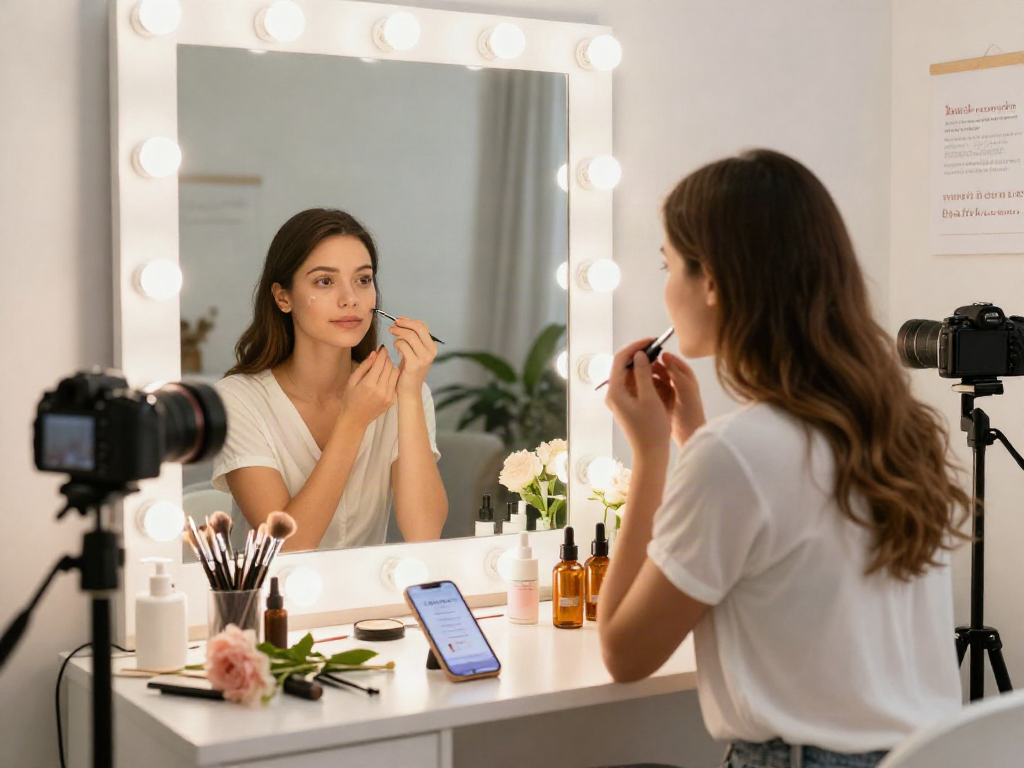
For those who choose to wear makeup, specific techniques can enhance symmetry and overall appearance. These techniques include:
- Contouring: This can create shadows that define cheekbones and jawlines.
- Highlighting: Applying highlighter to the high points of the face enhances facial structure.
- Eye Makeup: Proper application can draw attention to your eyes, adding to your overall allure.
Choosing the Right Lighting for Photo Submissions
Lighting plays a significant role in how features are perceived. When preparing for your photo, consider:
- Natural Light: Use daylight, which can soften features and minimize shadows.
- Avoiding Overhead Lighting: This can cast unflattering shadows on the face.
- Positioning: Angle your face slightly to the side for a more dimensioned appearance.
Common Misconceptions About Attractiveness Tests
Despite their increasing popularity, misconceptions about attractiveness tests abound. Understanding these myths can help users approach the process with a healthy mindset.
Debunking Myths: Attractiveness is Subjective
One of the most common misconceptions is that attractiveness is entirely subjective. While personal preference does play a role, studies have shown that certain traits are universally appreciated, such as facial symmetry and clarity. Thus, attractiveness tests provide a scientific perspective rather than a purely subjective one.
Understanding Beauty Standards Across Cultures
Beauty standards vary considerably across different cultures. What is considered attractive in one culture may not hold the same value in another, making it essential to approach attractiveness tests with an awareness of these dynamics. It is possible to find beauty in diversity, acknowledging that varying standards enrich our understanding of attraction.
How Personality Traits Factor into Attractiveness
While physical appearance is significant, personality traits such as confidence, kindness, and a sense of humor can greatly influence perceived attractiveness. This factor emphasizes that attractiveness tests focus on visual metrics, but true attractiveness extends far beyond physical appearances.
Real-world Applications of Attractive Tests
Attractiveness tests can be much more than just a playful assessment; they can serve as tools for personal development and confidence building.
Using Attractive Tests for Personal Growth
By understanding one's attractiveness score, individuals can gain insights into their features and areas for improvement. This self-awareness can encourage focused efforts on skincare, grooming, and overall self-care, leading to enhanced confidence.
The Role of Feedback in Enhancing Self-Confidence
Receiving constructive feedback through attractiveness tests can help individuals navigate their self-image. It can validate their strengths while providing guidance on areas where they may wish to improve. This form of feedback is critical in building a healthy self-esteem.
Success Stories: Transformations through Self-Assessment
Many users of attractiveness tests have reported transformative experiences. By objectively assessing their attractiveness, individuals have made positive changes in their lifestyle and grooming habits, leading to greater self-confidence and improved social interactions.
Future Trends in Beauty and Attractiveness Testing
The future of attractiveness testing is poised to evolve rapidly with technological advancements and changing cultural perceptions of beauty.
AI and Machine Learning in Beauty Assessments
As AI technology continues to improve, attractiveness tests will likely become increasingly precise. The integration of machine learning algorithms can provide more customized assessments, analyzing personal features in-depth to give tailored feedback based on individual uniqueness.
Emerging Beauty Standards for 2026 and Beyond
As we move further into the future, beauty standards will likely continue to shift. New ideals may emerge based on inclusivity and acceptance of diverse body types, skin tones, and features, highlighting the complexity of beauty in modern society.
Integrating Social Media in Attractiveness Evaluations
With the rise of social media influencers, attractiveness tests may incorporate social media feedback loops. By analyzing how certain features correlate with likes and shares, these tests could gain a more comprehensive understanding of contemporary beauty standards.
What impacts the results of an attractive test?
Several factors impact an individual's results, including facial features, lighting, and the quality of the photo submitted. Psychological factors, such as self-perception and confidence levels, can also influence how one feels about their results.
How can I prepare for my attractiveness test photos?
Preparation is key to achieving the best results. Follow a skincare routine, consider your makeup application, and ensure optimal lighting for your photo. Additionally, maintain a relaxed demeanor for a more authentic representation of yourself.
Are there ethical concerns with attractiveness tests?
Yes, there are ethical considerations regarding body image and self-esteem linked to attractiveness testing. It's crucial for users to engage with these tests mindfully, understanding that beauty norms can be damaging and that attractiveness is multifaceted.
Can attractiveness tests improve self-esteem?
While the potential exists for attractiveness tests to boost self-esteem by providing validation and constructive feedback, they can also have the opposite effect if users fixate on low scores. Thus, it’s essential to maintain a balanced perspective.
What are the latest trends in beauty assessment?
Recent trends in beauty assessments indicate a shift toward personalized experiences driven by AI. As societal beauty standards evolve, the integration of emotional intelligence and user feedback is becoming increasingly vital in attractiveness tests.