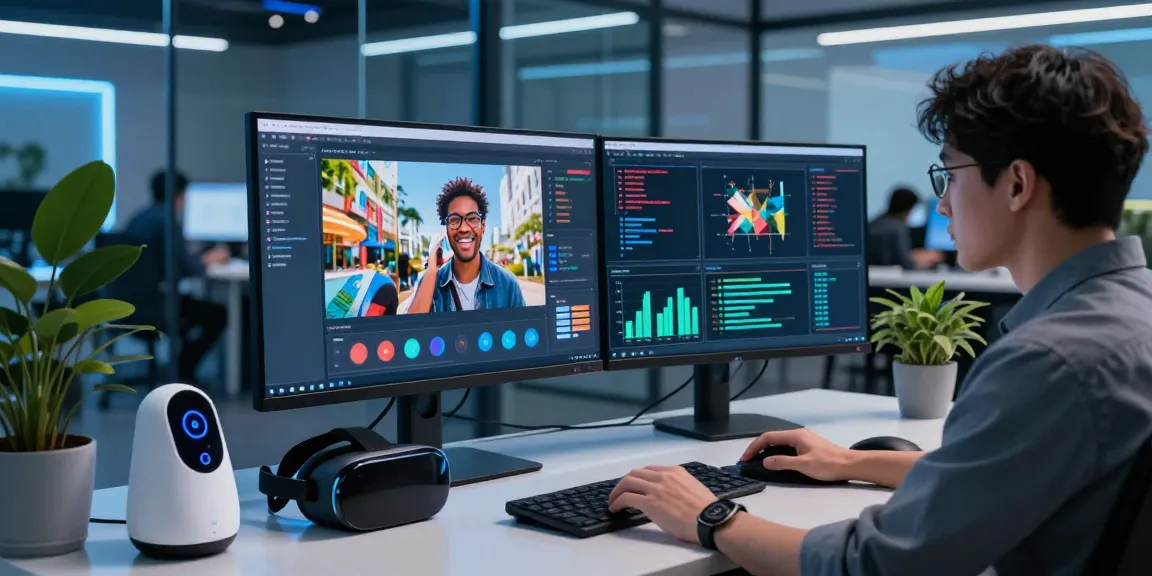

Understanding Deepfake Technology and Its Impact on Video Communication
In the digital age, video communication is integral to personal and professional interactions. However, the emergence of deepfake technology poses significant challenges to the integrity of these communications. Deepfakes harness advanced artificial intelligence to create hyper-realistic manipulations of video content, making it difficult to discern authentic interactions from fraudulent ones. As businesses increasingly rely on Deepfake protected Online Video Calls, Meetings and Conferencing, understanding the implications and potential threats of deepfake technology becomes paramount for maintaining security and trust.
What is Deepfake Technology?
Deepfake technology refers to the use of artificial intelligence to create realistic but fabricated video or audio recordings. It employs deep learning algorithms, particularly Generative Adversarial Networks (GANs), to synchronize and manipulate existing media of someone’s likeness or voice. This technology has evolved rapidly, making it accessible for both benign and malicious purposes.
How Deepfakes Are Used in Video Calls
In the context of video calls, deepfake technology can be used to impersonate individuals convincingly. This has alarming implications, especially in corporate settings where executives might be impersonated to authorize fraudulent transactions. Cybercriminals exploit deepfakes to gain unauthorized access to sensitive information, thereby jeopardizing organizational security.
The Risks Associated with Deepfake Video Conferencing
The potential risks of deepfake technology in video conferencing include identity theft, reputational damage, and financial loss. As video calls are often used for sensitive discussions, a successful deepfake attack can have severe consequences. It becomes essential for organizations to implement measures that mitigate these risks effectively.
Best Practices for Ensuring Secure Online Meetings
To safeguard against the threats posed by deepfakes, organizations must adopt best practices for secure online meetings. This involves a multifaceted approach focusing on technology, training, and policies.
Implementing Authentication Measures
One of the most effective ways to protect video calls from deepfakes is through rigorous authentication measures. Multi-factor authentication (MFA) adds an additional layer of security by requiring users to verify their identity through multiple means. This can include passwords, biometric verification, or one-time codes sent to mobile devices.
Using Advanced Security Features in Video Conferencing Tools
Many modern video conferencing platforms offer advanced security features specifically designed to combat deepfakes. These can include end-to-end encryption, watermarking, and real-time deepfake detection capabilities. Selecting a platform that prioritizes security is crucial for safe and reliable video communication.
Regularly Educating Teams on Security Protocols
Education plays a vital role in maintaining security. Regular training sessions to inform employees about the latest deepfake technologies and attack strategies will empower them to recognize potential threats and respond effectively. Awareness of security protocols also fosters a culture of vigilance within the organization.
Choosing the Right Platform for Deepfake Protection
Finding the right video conferencing platform with built-in protections against deepfakes is essential for safeguarding communication. Various platforms offer different features, and organizations should evaluate them based on their security needs.
Comparing Popular Video Conferencing Tools
When assessing video conferencing tools, comparing their security features is critical. Platforms like Zoom, Microsoft Teams, and Google Meet each offer unique benefits and limitations. Organizations must weigh these options to find the best fit for their security and usability requirements.
Identifying Features for Deepfake Detection
Deepfake detection features are increasingly becoming essential in video conferencing tools. Some platforms incorporate AI-driven algorithms to analyze video feeds in real time and identify potential manipulations. Understanding what each platform offers in terms of deepfake detection can help organizations make informed decisions.
Evaluating User Feedback and Security Standards
Analyzing user feedback and industry security standards is crucial when selecting a video conferencing platform. Look for reviews and testimonials that specifically address security features and user experiences. Additionally, platforms that adhere to recognized security certifications can provide reassurance about their protective measures.
Recognizing Signs of Deepfake Manipulation
Being able to identify deepfake manipulation is essential for maintaining security during video calls. There are certain visual and behavioral indicators that can signal a potential deepfake.
Visual Indicators of Deepfake Technology
Common visual signs of deepfake technology include unnatural facial movements, inconsistent lighting, and mismatched lip sync. These discrepancies can often betray the artificial nature of a manipulated video, allowing viewers to spot anomalies before falling victim to deception.
Behavioral Signs to Watch Out For
Behavioral inconsistencies can also indicate deepfake manipulation. This includes unusual pauses in speech or dramatically altered emotional responses that seem out of character for the individual being impersonated. Observing these cues can enhance participants’ ability to discern authenticity in video calls.
Common Scenarios for Deepfake Exploitation
Deepfakes are particularly dangerous in scenarios involving high-stakes decision-making, such as financial transactions and sensitive negotiations. Scammers often target organizations with deepfake impersonations of executives, which can lead to significant financial losses or data breaches.
Future Trends in Video Communication Security
As technology evolves, so too does the landscape of video communication security. Organizations must stay informed about future trends to effectively guard against emerging threats.
The Role of AI in Enhancing Meeting Security
Artificial intelligence will continue to play a pivotal role in enhancing meeting security. Advanced machine learning algorithms can adapt to new deepfake techniques, improving detection capabilities and reducing the likelihood of successful attacks. Organizations that leverage AI technology will have a competitive advantage in protecting their communications.
Predictions for 2026 and Beyond
Looking ahead, the proliferation of deepfake technology will necessitate stronger regulations and guidelines surrounding its use. By 2026, organizations that prioritize security and adopt comprehensive deepfake protection strategies will likely lead the market. Secure communications will become a standard expectation among both clients and partners.
Emerging Technologies in Deepfake Detection
Emerging technologies, such as blockchain, are presenting new opportunities for verifying the authenticity of video content. By embedding identity verification directly into the platform’s infrastructure, organizations can enhance the integrity of their communications and reduce the risk of deepfake exploitation.
Are DeepFakes actually illegal?
The legality of deepfakes varies by jurisdiction and context. While deepfake technology can be used for legitimate purposes, its use in deception can lead to criminal charges, particularly if it violates privacy laws or causes harm.
Can anyone secretly watch your video calls?
While most video conferencing platforms offer security features to protect against unauthorized access, there are still vulnerabilities that can be exploited. Using secure links and passwords can mitigate the risk of eavesdropping.
Which app is best for fake video calls?
There are applications designed specifically for creating fake video calls, though their use comes with ethical and legal implications. It's essential to consider the context and consequences of using such technologies.
What does deepfake protection mean?
Deepfake protection involves implementing measures and technologies designed to detect and prevent the use of manipulated media in video communications. This encompasses a range of strategies, from authentication protocols to AI-driven detection systems.
How can businesses protect themselves from deepfake scams?
Businesses can protect themselves from deepfake scams by incorporating robust security measures, educating employees on recognizing deepfakes, and continuously evolving their security practices. Maintaining vigilance and preparedness is key to safeguarding against emerging threats.