
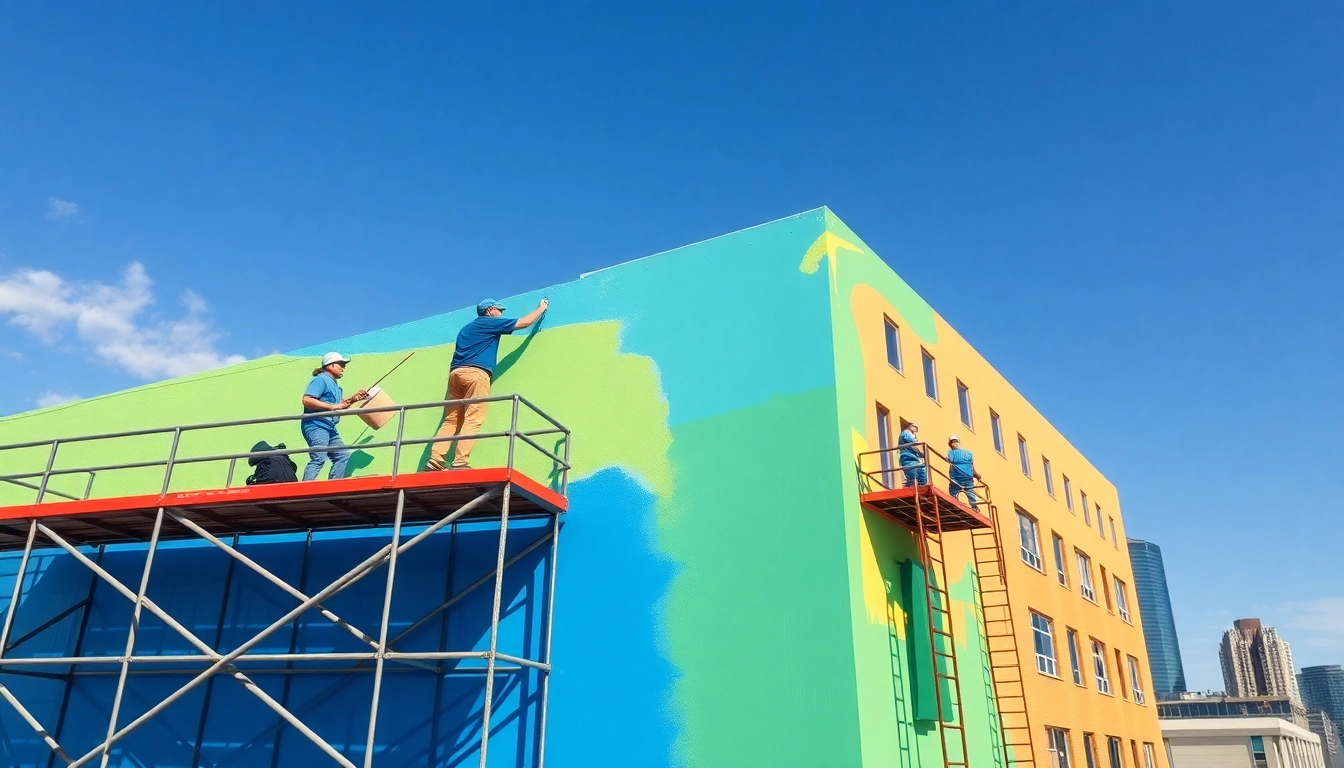
Understanding Commercial Painting
Definition and Scope
Commercial painting refers to the specialized service that focuses on the painting of businesses, offices, and industrial facilities. Unlike residential painting, which primarily addresses homes, commercial painting covers a broader variety of structures and requires a different set of skills, materials, and techniques. This type of painting typically involves larger teams, heavier equipment, and materials that withstand the rigors of commercial use. Additionally, it may include surface preparation, maintenance, and finishing work that suits specific business needs. For many businesses, investing in commercial painting can enhance the aesthetic appeal and functionality of their working environment.
Differences from Residential Painting
While both commercial and residential painting share some fundamental principles, they diverge significantly in scope, scale, and purpose. The primary difference lies in the environments. Residential painting usually focuses on individual homes and the unique tastes of homeowners, prioritizing aesthetics, color selection, and personal expression. In contrast, commercial painting aims at fulfilling the needs of businesses, which may involve branding and specific operational requirements.
Commercial projects often demand specialized finishes and durability due to high foot traffic and usage. Therefore, commercial painters may implement practices that require extensive training in safety regulations and advanced techniques. They typically work on a more extensive scale, requiring faster completion times to minimize disruptions in business operations.
Key Benefits of Commercial Painting
The benefits of commercial painting extend beyond mere aesthetics, providing various advantages that contribute to the overall success of a business. One tangible benefit is the enhancement of the company’s brand image; a well-painted facility communicates professionalism and care, elevating customer perceptions. Moreover, fresh paint can protect surfaces from environmental wear and tear, prolonging the integrity of buildings and reducing maintenance costs over time.
Additionally, a welcoming and visually appealing environment can positively influence employee morale and productivity. The psychological impact of a vibrant workspace cannot be underestimated, as it creates an atmosphere that encourages creativity and collaboration among staff. All these facets underline why commercial painting is not just a cosmetic upgrade but a strategic investment for businesses.
Choosing the Right Commercial Painting Services
Qualities to Look For
Selecting a commercial painting service requires careful consideration of several key qualities. Firstly, experience is paramount; a company with a proven track record in commercial projects understands the intricacies involved. They are likely to be well-versed in both standard practices and potential challenges unique to commercial environments.
Another critical aspect is the ability to provide a comprehensive estimate. Transparency regarding pricing, scope, and timeline builds trust and prevents unexpected costs. Furthermore, a commitment to using high-quality materials reflects the company’s long-term focus on durability and satisfaction. Finally, proper licensing, insurance, and safety training are non-negotiables; they assure compliance with legal standards and demonstrate professionalism.
Evaluating Portfolios and Reviews
When searching for commercial painting services, thorough research is essential. Evaluating portfolios allows prospective clients to gauge a company’s aesthetic and functional capabilities. A well-curated portfolio demonstrates versatility in working with various types of businesses, surfaces, and finishes. It’s also beneficial to ask for references or read client reviews; this gives insight into the company’s reliability, communication skills, and overall customer satisfaction.
Consider looking for case studies where the service provider outlines specific projects, the challenges faced, and how they were resolved. This level of detail can provide a clearer picture of the company’s problem-solving abilities and creativity in achieving client goals.
Importance of Certifications
Certifications in the commercial painting industry signify a commitment to quality and professionalism. They often indicate that a company adheres to industry standards and best practices, enabling clients to have more confidence in their selection. Certifications may cover safety training, eco-friendly practices, and specialized painting techniques, ensuring that the contractor has the relevant industry knowledge.
Furthermore, some certifications reflect proficiency in specific materials or applications that might be crucial for certain commercial settings. For example, understanding how to work with low-VOC paints or the ability to handle large-scale projects efficiently shows that a company prioritizes both functionality and sustainability.
Best Practices in Commercial Painting
Surface Preparation Techniques
Effective surface preparation is a cornerstone of quality commercial painting. This process involves cleaning, repairing, and priming surfaces to ensure that paint adheres properly and lasts longer. Neglecting this step can lead to unsightly peeling, bubbling, and flaking paint, which may incur additional costs down the line.
Common surface preparation techniques include power washing to remove dirt and grime, patching holes and cracks, and sanding rough surfaces. In some cases, applying a primer suited to the specific material or environment can enhance paint performance significantly. Understanding the unique requirements of the surface allows for optimal results that stand the test of time.
Choosing the Right Paint
Selecting the right type of paint is crucial in any commercial painting project. The nature of the space, including factors like foot traffic, sunlight exposure, and specific industry requirements, should direct paint choices. For instance, high-gloss finishes may be more suitable for areas that require regular cleaning, while matte finishes can provide a sophisticated look in low-traffic zones.
Additionally, sustainability continues to rise in importance; many businesses now opt for eco-friendly, low-VOC paints that minimize environmental impact and promote better indoor air quality. Thus, consulting with a professional who understands these nuances can help in making informed decisions that align with both aesthetic goals and practical needs.
Coordination with Business Operations
Timing and coordination are vital during a commercial painting project. It's essential to collaborate with the painting team to schedule work during off-hours or periods of minimal use to avoid disrupting business operations. Development of a thorough plan that aligns with operational needs ensures that both the painting timeline and business activities can proceed smoothly.
Communication remains at the forefront; keeping all stakeholders informed about the project timeline and any potential impact allows businesses to prepare effectively. Trustworthy painting services prioritize minimal disruption and strive to complete work efficiently without compromising quality, ensuring client satisfaction is maintained.
Cost Considerations for Commercial Painting
Budgeting for Your Project
Budgeting for commercial painting can vary widely based on factors such as building size, location, and the specific services required. A detailed quotation should encompass materials, labor, preparation, post-cleanup, and potential costs associated with downtime or business disruption.
Businesses should also account for the possibility of unforeseen issues, like the need for additional repairs found during surface preparation. Establishing a contingency budget can mitigate these risks and ensure a smoother project flow without financial surprises. Engaging in open discussions with the painting service provider allows for a more accurate understanding of costs associated with various aspects of the project.
Understanding Pricing Models
Understanding the different pricing models can help businesses make more informed decisions. Common options include fixed pricing, where contractors provide a set price for the entire project, or hourly rates, where clients are charged based on the time spent on-site. Each model has its advantages, and the right choice can depend heavily on the specific needs and circumstances of the project.
Some companies may also offer additional services bundled into the price, such as regular maintenance or touch-ups in future years. Therefore, it’s worthwhile to inquire about the services included in the quote and how these can contribute to long-term savings.
Long-term Financial Benefits
Investing in high-quality commercial painting is not just about immediate aesthetics; it offers long-term financial benefits as well. Renovated establishments attract more clients and enhance employee satisfaction, leading to higher retention rates and greater productivity.
Moreover, a well-maintained facility may experience lower costs in marketing and repairs. A fresh, clean appearance can reduce the need for frequent overhauls and provide protection against the elements, translating to saved money in the long run. Thus, commercial painting should be seen as a strategic investment that yields considerable returns over time.
FAQs About Commercial Painting
1. What factors affect the cost of commercial painting?
Factors such as building size, surface condition, paint type, and labor rates heavily influence the cost of commercial painting projects.
2. How often should commercial painting be done?
Generally, businesses should consider repainting their commercial space every 5-7 years, but frequency may depend on wear and environmental conditions.
3. Can I choose colors that match my brand?
Absolutely! Many commercial painting services work with clients to develop a color scheme that reflects their brand identity.
4. What happens if there's bad weather during the job?
Reputable painting services will monitor weather conditions and reschedule work as necessary to ensure quality results and safety.
5. How can I maintain my newly painted surfaces?
Regular cleaning, avoidance of harsh chemicals, and periodic touch-ups help maintain the aesthetic and longevity of painted surfaces.
Contact Information
Address:Branam Brushworks LLCCall Us:+12076168892