Understanding the Concept of Home in 2026
As we progress into 2026, the notion of "home" has evolved dramatically, shaped by cultural shifts, technological advancements, and changing lifestyles. In this era, home is not just a physical space; it embodies emotional connections, a sanctuary for personal expression, and a reflection of individual values. When exploring options, home becomes a comprehensive resource for understanding these dynamics and finding innovative solutions that cater to modern living.
What Defines a Modern Home?
The definition of a modern home has transcended its mere architectural design to encompass functionality, sustainability, and adaptability. A modern home in 2026 is characterized by:
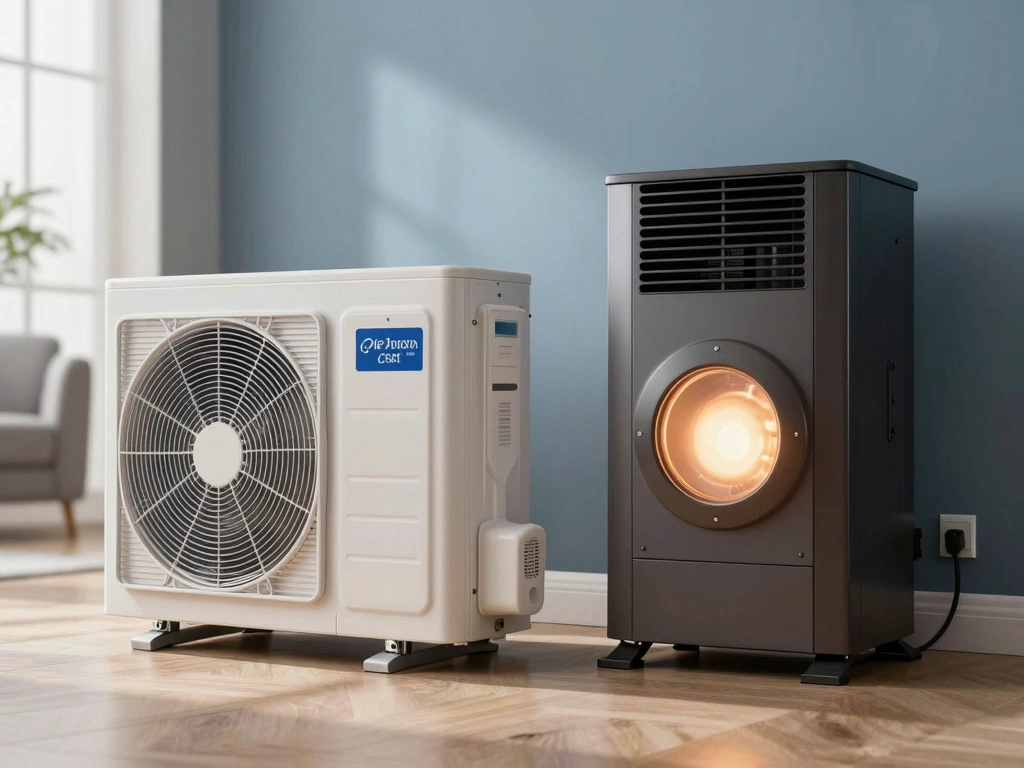
- Sustainability: Homeowners are increasingly prioritizing eco-friendly materials and energy-efficient technologies. Solar panels, green roofs, and sustainable appliances are no longer luxuries but standards in modern homes.
- Smart Technology: The integration of smart home technologies allows for seamless control over various home aspects, from lighting and temperature to security systems. Homes now feature advanced systems that enhance convenience and energy management.
- Flexibility: With the rise of remote work, homes are adapted into multi-functional spaces. Home offices, gyms, and recreational areas are designed to coexist harmoniously, catering to the diverse needs of families.
Cultural Perspectives on Home
Home is a concept deeply rooted in culture and personal experience, differing vastly across the globe. For instance, in many Western cultures, home is viewed primarily as a personal sanctuary, while in Eastern cultures, it may represent familial connections and community gatherings. In 2026, these cultural dimensions continue to shape how individuals approach their living spaces, often leading to hybrid designs that integrate various cultural elements, such as traditional design motifs in contemporary homes.
Home as a Space for Connection
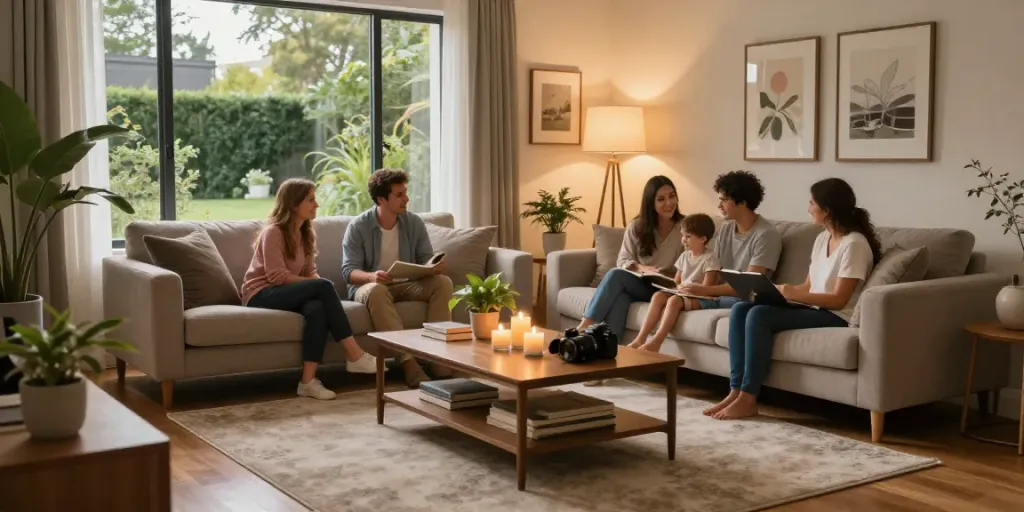
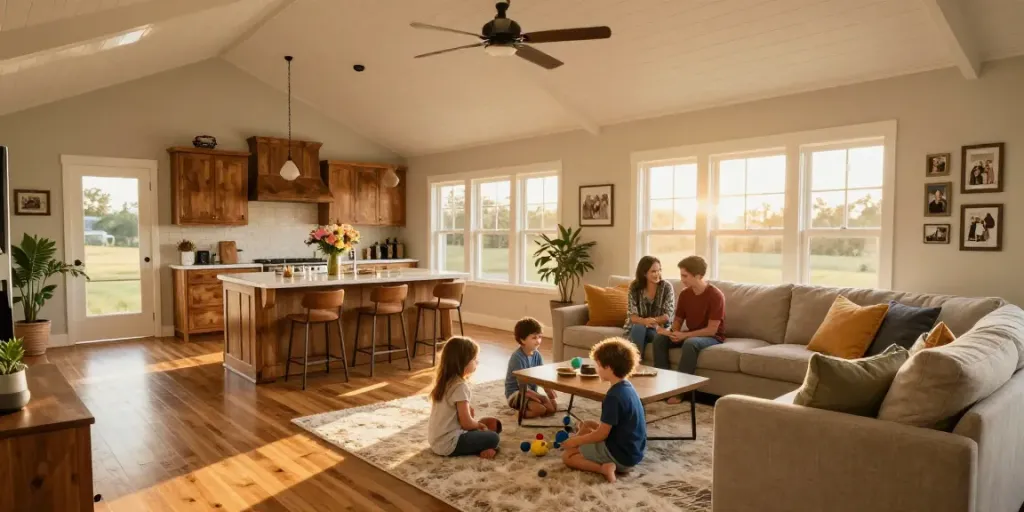
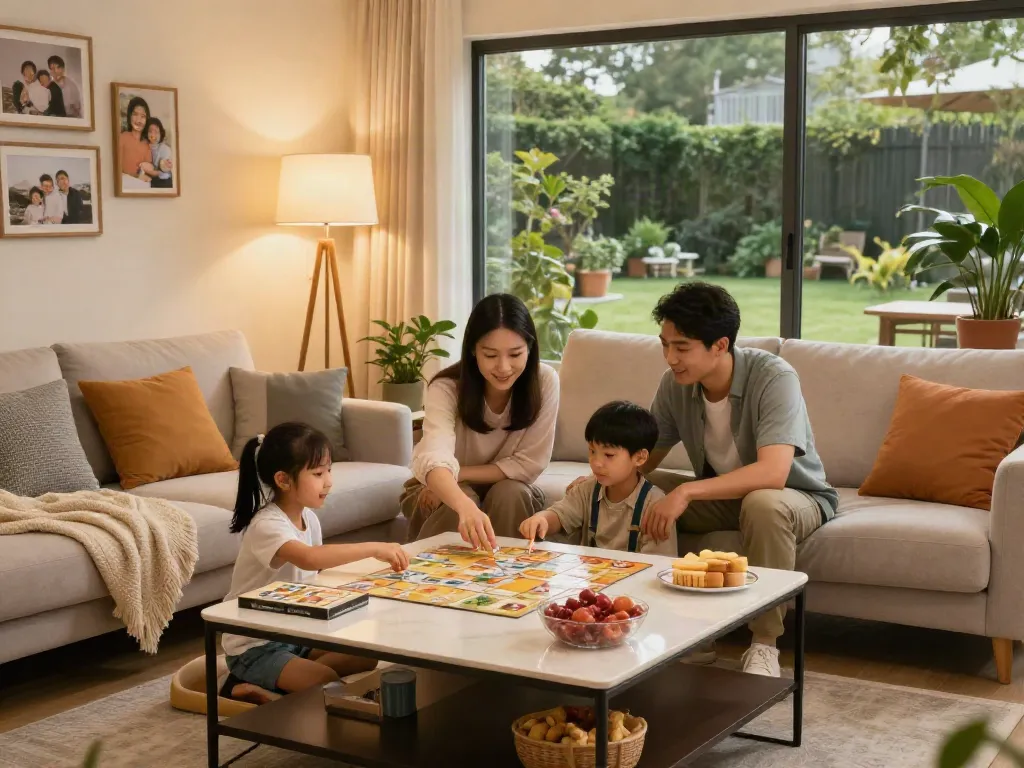
The importance of home as a space for connection has reached new heights in today's fast-paced world. In 2026, homes are designed to foster relationships among family members and friends. Open floor plans, communal spaces such as kitchens and living rooms, and outdoor areas are prioritized to promote interaction.
Current Trends in Home Design
The home design landscape is continuously evolving, with trends emerging that reflect the collective desires and practical needs of society. Recognizing these trends can provide insights for homeowners looking to create spaces that resonate with contemporary living.
Sustainable Materials in Home Construction
As environmental awareness increases, sustainable materials have become a cornerstone of modern construction practices. Materials such as reclaimed wood, bamboo, and recycled metal are favored for their minimal environmental impact. These choices not only enhance the aesthetics of a home but also contribute to lower energy consumption and a healthier indoor environment.
Smart Homes: Technology Integration
Home automation is transforming how we live, with smart technology playing a pivotal role. From voice-activated assistants to smart thermostats and security systems, homes are becoming increasingly interactive. In 2026, the integration of Internet of Things (IoT) devices provides homeowners with unprecedented control over their environments, enhancing convenience, security, and efficiency.
Minimalism vs. Maximalism: Choosing Your Style
The debate between minimalism and maximalism remains prevalent in home design. While minimalism emphasizes simplicity and functionality, maximalism embraces bold colors, textures, and patterns. Homeowners in 2026 are encouraged to find a balance that reflects their personality while adapting to their lifestyle needs, with many opting for eclectic designs that combine elements from both styles.
Creating a Cozy Home Environment
A cozy home environment not only promotes comfort but also enhances well-being. Achieving this warm ambiance involves thoughtful considerations in color schemes, furnishings, and natural elements.
Color Schemes and Their Emotional Impact
The psychological impact of color is profound in home design. Warm tones like soft reds and yellows can stimulate energy, while cooler hues such as blues and greens promote tranquility. In 2026, homeowners are increasingly using color psychology to create intentional atmospheres, selecting palettes that resonate with their desired emotional experiences.
Choosing the Right Furnishings for Comfort
Comfort is paramount when selecting furniture. The trend in 2026 leans towards ergonomic designs that provide both support and style. Homeowners are opting for plush sofas, supportive chairs, and multi-functional furniture that caters to relaxation and socialization, ensuring their homes are comfortable retreats.
Incorporating Nature Inside Your Home
Biophilic design—the practice of incorporating natural elements into living spaces—continues to be a major trend in 2026. Indoor plants, natural light, and the use of organic materials in décor not only improve aesthetic appeal but also enhance mental health by creating a soothing environment that promotes relaxation and well-being.
Common Challenges in Home Decor
While designing an inviting home can be a rewarding experience, several challenges can arise. Understanding these obstacles can help homeowners navigate their decorating journeys more effectively.
Dealing with Small Spaces Effectively
Small spaces can pose significant design challenges. However, with strategic planning, homeowners can maximize functionality without sacrificing style. Utilizing vertical storage, multi-functional furniture, and light color palettes can create an illusion of space, making small areas feel larger and more open.
How to Master Lighting in Your Home?
Lighting is a critical aspect of home design that significantly affects mood and functionality. In 2026, homeowners are encouraged to layer their lighting, combining ambient, task, and accent lights to create a versatile environment. Smart lighting solutions also offer control over brightness and color, allowing for customized settings based on activities or time of day.
Choosing Timeless Decor Over Trends
With rapidly changing design trends, selecting timeless décor elements can often be more beneficial in the long run. Homeowners are advised to invest in quality pieces that reflect personal style while offering longevity, granting them the ability to evolve their spaces without frequent overhauls.
Future of Home Living: What to Expect
The future of home living looks promising, with emerging technologies and lifestyle changes shaping how we view and use our living spaces. Homeowners must stay informed about these developments to prepare for what lies ahead.
Emerging Technologies Shaping Home Environments
Technological advancements such as AI and machine learning are expected to redefine home automation, offering even greater personalization and efficiency. In 2026, homes may feature systems that learn and adapt to individual habits, creating seamless interactions that ensure comfort and security.
Predictions for Urban vs. Rural Living
The trend towards urbanization continues, but a significant shift is also noted towards rural living as more people seek tranquility away from bustling cities. Homes in rural areas are becoming increasingly tech-savvy while still embracing a connection to nature, presenting new opportunities for sustainable living.
Potential Regulations Impacting Home Design
As environmental concerns grow, regulations regarding home construction and renovations are likely to tighten. Homeowners must remain vigilant about these changes, ensuring compliance with local codes that favor sustainability and safety in their home designs.