
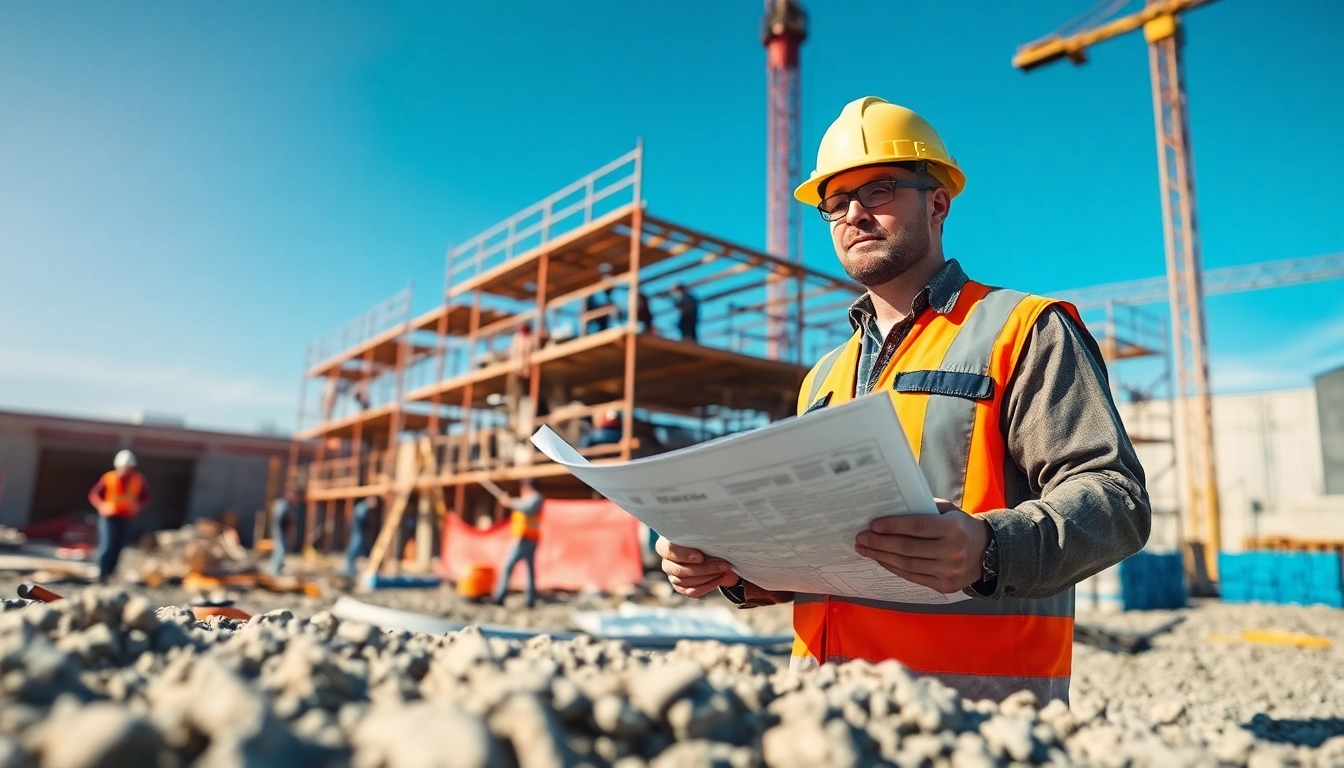
Understanding the Role of a New Jersey Commercial General Contractor
In the ever-evolving landscape of construction, the role of a commercial general contractor is vital, especially in New Jersey, where diverse projects span industrial, commercial, and institutional domains. As a New Jersey Commercial General Contractor, the emphasis is not just on overseeing construction projects but also on ensuring they align with local regulations and project specifications. Understanding their duties, challenges, and the importance of hiring the right contractor can greatly influence the success of any construction project.
What is a General Contractor?
A general contractor (GC) is a pivotal figure in construction, responsible for the overall coordination and management of a construction project. Typically, they act as the primary point of contact for clients, ensuring that all aspects of the project run smoothly. A GC may work on various types of buildings, each requiring a unique approach — from commercial offices to large-scale industrial facilities. Their role often involves communicating with clients, architects, and subcontractors while managing resources, timelines, and budgets.
Key Responsibilities and Duties
The general contractor's duties are extensive and include:
- Planning and scheduling project timelines closely in collaboration with stakeholders.
- Supervising subcontractors and ensuring compliance with safety and building codes.
- Procurement of materials and managing supply chains efficiently to prevent delays.
- Maintaining clear communication with clients, providing updates and managing expectations.
- Handling on-site issues that may arise, adjusting schedules and logistics as necessary.
The Importance of Licensing and Insurance
In New Jersey, contractors must possess the necessary licenses and insurance to operate legally and responsibly. This includes liability insurance and worker’s compensation insurance, which protect both the contractor and the client in case of accidents or damages. Licensing is not just a regulatory hurdle; it reflects a contractor’s commitment to quality and professionalism. Hiring a licensed contractor minimizes risks and ensures accountability, reinforcing trust in any commercial construction project.
Choosing the Right New Jersey Commercial General Contractor
Choosing the right general contractor can significantly affect the project's outcome. With numerous available options, potential clients must consider various factors to find the best fit for their needs and expectations.
Factors to Consider When Hiring
Key factors include:
- Experience: Candidates should have experience relevant to the specific project type and size.
- Reputation: Seek references and read reviews to gauge past performance and client satisfaction.
- Expertise: Ensure that the contractor has the necessary skills and knowledge in pertinent areas such as commercial builds or renovations.
- Pricing: Obtain detailed bids to compare not only prices but also the scope of work each contractor includes.
Evaluating Contractor Reputation and Experience
Veteran contractors often differentiate themselves through established reputations and connections in the industry. Reviewing past projects is crucial; consider seeking projects similar to your own, paying attention to factors such as quality, timeliness, and budgeting. Testimonials from previous clients can provide insight into the contractor's work ethic and professionalism.
Checklists for Decision Making
Creating a checklist can simplify the decision-making process, helping potential clients focus on priority areas:
- Verify licensing and insurance:
- Assess work samples and past project outcomes.
- Collect contractor bids and analyze each proposal's inclusiveness.
- Communicate with references for a behind-the-scenes look at previous work experiences.
- Perform background checks to confirm the contractor’s credibility.
Common Challenges Faced by New Jersey Commercial General Contractors
While commercial general contractors are equipped to handle various construction projects, they often face significant challenges that can impact project success and client satisfaction. By understanding these hurdles, contractors can devise strategies to mitigate risks and ensure smooth operations.
Budget Management Issues
Budgets can be a contractor's greatest challenge. Rising material costs, unforeseen delays, and scope changes can strain financial projections. To manage budgets effectively, contractors should establish comprehensive initial estimates, implement strict adherence to contracts, and maintain a flexible approach to resource allocation and contingency planning.
Compliance with Local Building Codes
Navigating local building codes and regulations is critical for ensuring safety and avoiding costly fines. A robust understanding of applicable laws and frequent updates on regulatory changes are essential for compliance. Contractor collaboration with local authorities can facilitate smoother project execution and adherence to all legal requirements.
Managing Project Timelines Effectively
Delays are common in construction and can stem from several factors, including weather, material availability, or subcontractor performance. Effective timeline management involves establishing realistic deadlines, consistent communication with team members, and building buffer periods into schedules to accommodate potential hiccups.
Best Practices for Successful Project Delivery
Successful project delivery hinges on implementing best practices that enhance efficiency, quality, and client satisfaction. General contractors should maintain a strategic approach encompassing effective communication, modern technology integration, and stringent quality control measures.
Effective Communication Strategies
Clear communication is paramount throughout a project’s duration. Regular updates between clients and contractors foster transparency and build trust. Utilizing project management software can streamline communication by allowing real-time sharing of updates, documents, and schedules, effectively reducing misunderstandings and misalignments.
Implementing Modern Construction Technologies
Adopting technologies such as Building Information Modeling (BIM) and drones can elevate project execution. BIM enhances visualization and project planning by allowing 3D modeling, while drones facilitate site inspections, providing an aerial view to monitor progress and compliance. These technologies lead to improved efficiency, accuracy, and management of resources.
Ensuring Quality Control Throughout the Project
Quality control is crucial in maintaining construction standards and client satisfaction. Establishing clear benchmarks at every project stage and conducting regular inspections ensure that deliverables meet both regulatory compliance and client expectations. Engaging skilled subcontractors and conducting thorough quality assessments can fortify the commitment to excellence.
Frequently Asked Questions About New Jersey Commercial General Contractors
What should I look for in a contractor?
Focus on experience, reputation, licenses, communication skills, and previous project outcomes. A good contractor should provide references, be transparent about costs, and possess specific expertise relevant to your project.
How do I verify a contractor's credentials?
Check their licensing with New Jersey’s regulatory board, request proof of insurance, and solicit references. Look for reviews and testimonials from previous clients to assess performance and reliability.
What are the average project costs for commercial contracts in NJ?
Costs vary widely based on project complexity, materials used, and location within New Jersey. On average, commercial building costs can range from $100 to $300+ per square foot, depending on these factors.
What is the typical project timeline?
Project timelines can range from a few months to several years, depending on project scope. Smaller projects may take 3-6 months, while major developments could span 12 months or more from planning to completion.
How can I prevent construction delays?
Establish a clear project timeline, maintain open communication lines, conduct regular progress meetings, and prepare for potential risks. Employing skilled project managers also helps optimize workflow and minimize delays.