
Understanding the Basics of a Simple Car Detailing Routine for Beginners
Car detailing is more than just giving your vehicle a quick wash; it's an essential maintenance routine that keeps your car looking and feeling new. It encompasses both the exterior and interior, ensuring that every inch of your vehicle is clean and well-maintained. For beginners, establishing a simple car detailing routine for beginners can seem overwhelming, but with a clear structure, the process becomes manageable and enjoyable.
Why Detailing Matters
Detailing is crucial for several reasons. First, it helps maintain the resale value of your vehicle. A well-detailed car attracts buyers, as they perceive it as well-cared-for. Additionally, regular detailing enhances the driving experience; a clean interior and exterior make rides more pleasurable. Lastly, it protects the car's surfaces, preventing damage from environmental factors.
Essential Supplies You’ll Need
Before you start detailing, gather these essential supplies:
- Car wash soap
- Microfiber towels
- Wheel cleaner
- Vacuum cleaner
- Interior cleaner
- Glass cleaner
- Wax or sealant
- Microfiber applicator pad
- Detailing brushes
- Clay bar (optional for advanced detailing)
Safety Tips for Car Detailing
Safety is key while detailing your vehicle. Always work in a well-ventilated area, especially when using products that emit fumes. Wear gloves to protect your skin from chemicals and ensure you read product labels for proper usage. Use eye protection if needed, particularly when working with sprays.
Step-by-Step Guide to a Simple Car Detailing Routine for Beginners
Starting with the Exterior Wash
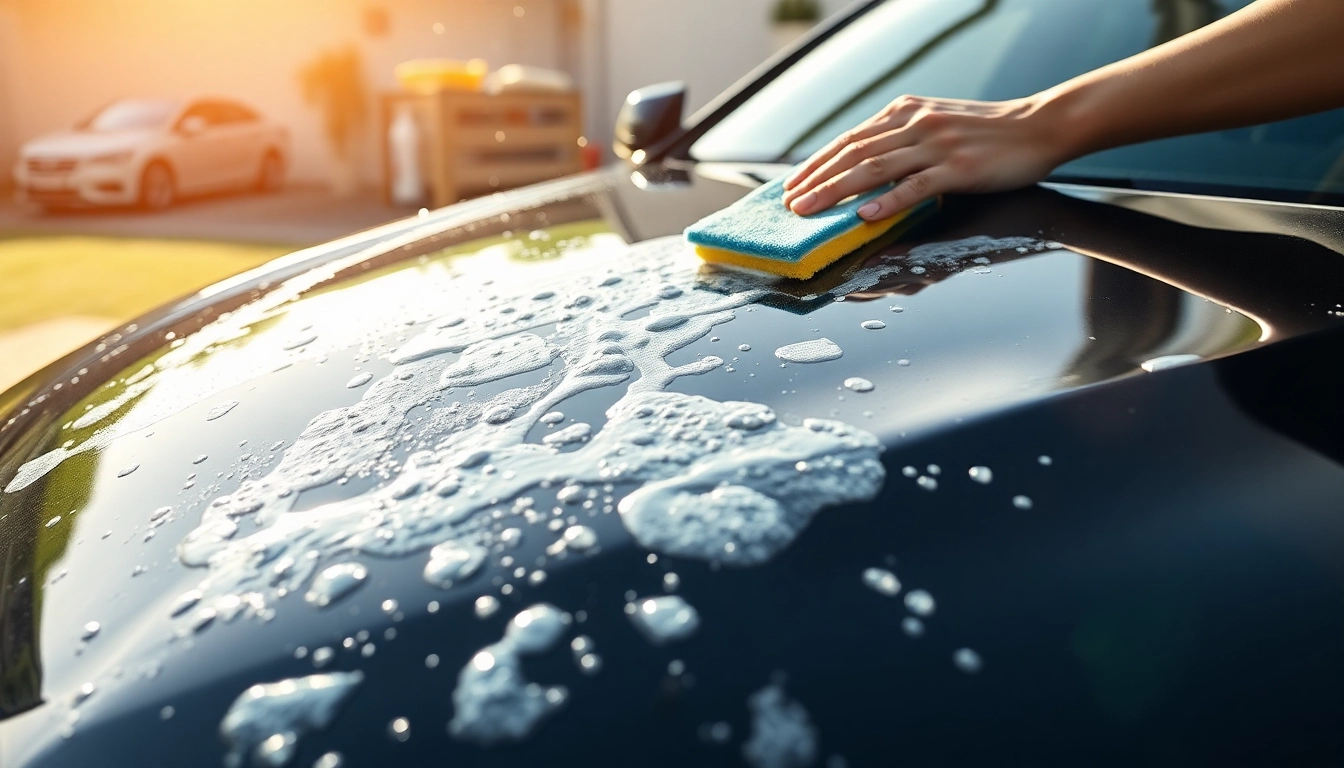
The exterior wash is the foundation of any detailing routine. Start by rinsing the car to remove loose dirt. Apply a car wash soap with a soft sponge, working from top to bottom. Use a two-bucket method: one for soapy water and the other for rinsing your sponge. Rinse after each panel to avoid scratching the surface. For a deeper clean, consider using a foam cannon to pre-soak the vehicle.
Properly Cleaning Wheels and Tires
Your wheels and tires often accumulate the most grime. Use a dedicated wheel cleaner and a wheel brush to scrub the tires and wheels, focusing on hard-to-reach areas. Rinse thoroughly, ensuring no cleaner residue remains. This step helps prevent brake dust from adhering and damaging wheel finishes.
Drying Methods to Prevent Water Spots
After washing, it's vital to dry the car quickly to prevent water spots. Use microfiber drying towels as they are absorbent and gentle on the paint. Start at the top and work your way down, using a blotting motion rather than dragging the towel. If preferred, a leaf blower can be used to blow excess water from crevices and tight spots.
Interior Car Detailing Made Easy
Vacuuming and Surface Cleaning
Begin the interior detailing by removing all items from the car. Vacuum seats, carpets, and floor mats thoroughly, ensuring you reach under the seats and in between crevices. After vacuuming, use a suitable interior cleaner for surfaces such as the dashboard, center console, and door panels. A microfiber cloth works best for this task.
Cleaning Windows and Mirrors
To achieve a streak-free finish on your windows and mirrors, use a dedicated glass cleaner and microfiber towel. Spray the cleaner on the towel (not directly on the glass) and wipe the surfaces in a circular motion, then follow up with vertical and horizontal strokes to clear any residue.
Dealing with Odors Effectively
Eliminating odors enhances the overall cleanliness of your vehicle. Start by removing any trash, food, or clutter that contributes to unpleasant smells. Use an odor eliminator spray designed for cars or sprinkle baking soda on seats and carpets, allowing it to sit for a few hours before vacuuming it up to absorb odors.
Advanced Tips for Effective Detailing Outcomes
Using Detailing Clay for Smooth Surfaces
Consider using a detailing clay bar for advanced users wanting an ultra-smooth finish. After washing and drying your car, lubricate the surface with a clay lubricant, then gently glide the clay over the paint to remove embedded contaminants. This step improves the adhesion of waxes and sealants.
Protecting Your Paint with Wax or Sealants
After detailing, applying a wax or sealant protects your car's paint from environmental damage. Waxes provide a warm shine, while sealants offer long-lasting protection. Use a microfiber applicator pad to apply wax in small sections, buffing it to a shine with a clean microfiber towel once it dries.
Common Mistakes to Avoid
Many beginners make mistakes that can lead to unsatisfactory results. Avoid washing your car in direct sunlight, as it can cause water to dry too quickly, leaving spots. Additionally, don’t use household cleaners that contain ammonia on your vehicle, as they can damage surfaces. Always use products designed specifically for automotive care.
FAQs About Simple Car Detailing Routine for Beginners
What is the best way to wash a car for beginners?
The best way is using the two-bucket method: one bucket for soapy water and another for rinsing your sponge, preventing scratches.
How often should I detail my car?
You should aim to detail your car every 4-6 weeks, depending on usage and exposure to environmental elements.
Can I use household items for car detailing?
While some household items may work, they can damage surfaces. It’s best to use products designed specifically for cars.
What's the importance of waxing after washing?
Waxing protects your paint from UV rays, dirt, and grime, enhancing the shine while providing a barrier against environmental damage.
Are there any tips for detailing a car interior?
Always remove clutter, vacuum thoroughly, and use appropriate interior cleaners. Don't neglect tight spaces and consider using an air compressor for stubborn dirt.