
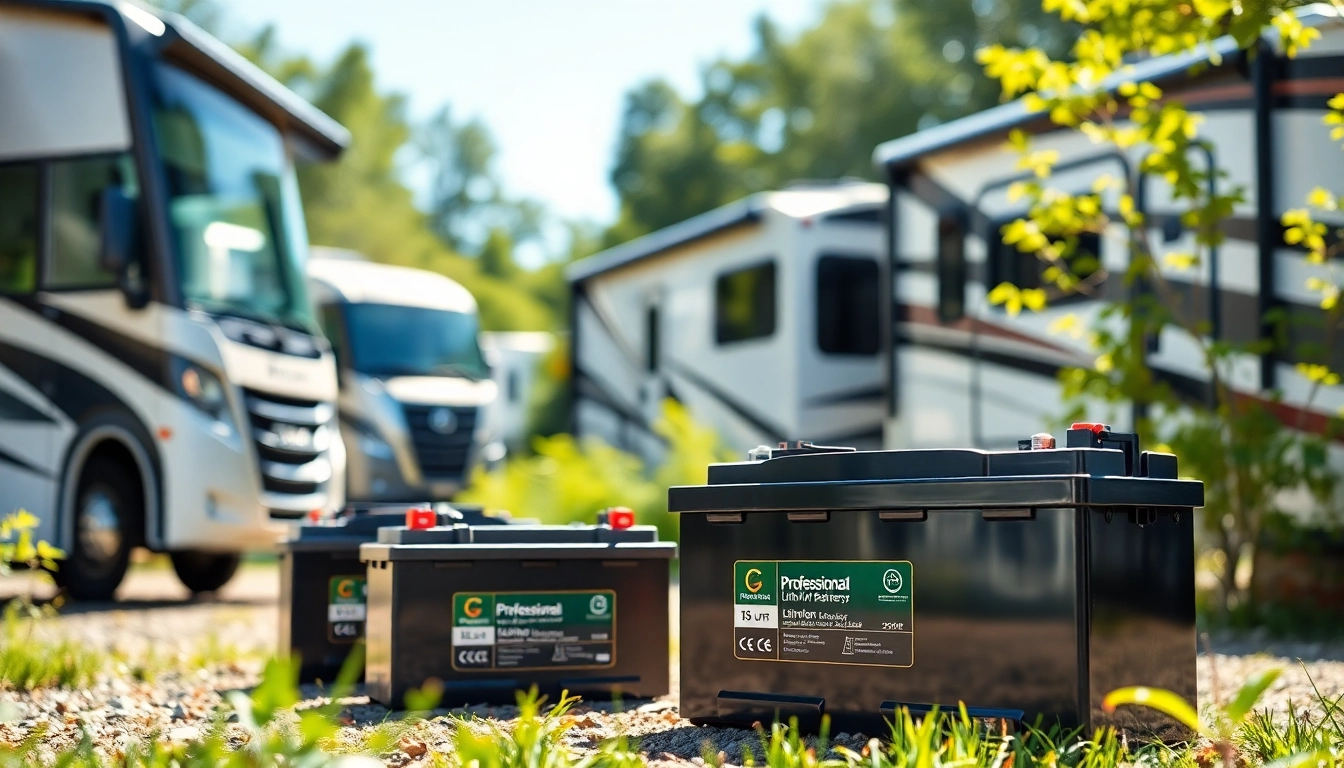
Understanding Lithium RV Batteries
What Are Lithium RV Batteries?
Lithium RV batteries are a type of rechargeable battery widely used in recreational vehicles for power storage. Unlike traditional lead-acid batteries, these utilize lithium-ion technology, which offers several advantages in terms of efficiency, weight, and longevity. They are designed to power various RV appliances, from lights and refrigerators to air conditioning units. The most common type used in RVs is the Lithium Iron Phosphate (LiFePO4) battery, known for its safety and stability.
How Lithium RV Batteries Work
The operation of Vatrer Power hinges on reversible electrochemical reactions. When the battery is charged, lithium ions migrate from the positive electrode (cathode) to the negative electrode (anode). During discharge, the process reverses, allowing the battery to power your appliances. Lithium batteries operate at a higher voltage than lead-acid batteries, leading to more energy stored in less space. This efficiency makes them a perfect choice for the limited space found in RV setups.
Benefits Over Traditional Batteries
Choosing lithium RV batteries offers several advantages over traditional lead-acid options:
- Longer Lifespan: Lithium batteries often last 2-3 times longer than lead-acid batteries, reducing replacement costs.
- Lighter Weight: With a significantly lower weight, lithium batteries free up valuable cargo space.
- Faster Charging: These batteries charge more quickly, allowing RVers to return to activity sooner.
- Depth of Discharge: They can be discharged deeper without damaging battery life, offering more usable power.
- Maintenance-Free: Lithium batteries require no regular maintenance, freeing users from corrosion checks and fluid top-ups.
Choosing the Right Lithium RV Batteries
Factors to Consider Before Purchase
Before purchasing lithium RV batteries, consider the following factors:
- Energy Needs: Assess the power requirements of your RV appliances to determine the capacity you need.
- Weight Restrictions: Ensure the batteries align with your RV's weight limits for optimal performance.
- Compatibility: Confirm that the battery's voltage matches your RV's electrical system.
- Quality Standards: Look for batteries certified by recognized safety organizations to avoid potential hazards.
Capacity and Voltage Ratings Explained
When seeking lithium RV batteries, understanding the nuances of capacity and voltage ratings is essential. Battery capacity is measured in amp-hours (Ah), indicating how much energy can be stored. Common ratings for RV batteries are typically between 100Ah and 300Ah. Voltage ratings—often 12V, 24V, or 48V—are also crucial as they need to be compatible with your RV's electrical system. Selecting the right combination ensures efficient performance and compatibility with all your appliances.
Cost vs. Value Analysis
The initial investment in lithium RV batteries is typically higher than that of lead-acid batteries. However, a cost versus value analysis reveals that the long-term savings from added lifespan and reduced replacements can balance out this cost. Additionally, the improved performance and lower maintenance requirements add to the overall value. Calculating the total cost of ownership over the battery's lifespan can help determine the right investment.
Installation Guide for Lithium RV Batteries
Tools Required for Installation
Installing lithium RV batteries requires some equipment:
- Wrenches and sockets for battery terminals
- Durable connectors and wires rated for your system’s voltage
- Heat shrink tubing for insulation
- Multi-meter for testing voltage
- Battery management system (optional but recommended for longevity)
Step-by-Step Installation Process
Installing lithium RV batteries involves several essential steps:
- Ensure your RV’s electrical system is off before starting.
- Remove the old batteries carefully, noting the wiring connections for reference.
- Position the new lithium batteries in the same location, ensuring proper ventilation.
- Hook up the battery management system if applicable.
- Connect the positive and negative terminals, securing them tightly.
- Double-check your connections with a multi-meter to ensure the proper voltage is present.
- Finally, turn on your RV’s electrical system and test appliances to ensure everything is working correctly.
Common Installation Mistakes to Avoid
To ensure a successful installation, avoid these common pitfalls:
- Incorrect Wiring: Always double-check that positive and negative connections are accurately made to prevent system failure.
- Over-Discharging: Be cautious to avoid draining your batteries completely, which can damage them.
- Ignoring Ventilation: Ensure your installation area is well-ventilated to prevent heat buildup.
- Forgetting to Test: Testing after installation is crucial to identify any issues promptly.
Maintaining Your Lithium RV Batteries
Best Practices for Longevity
Maintaining your lithium RV batteries is vital to ensure longevity:
- Avoid Extreme Temperatures: Store batteries in moderate temperatures to prevent damage.
- Regular Monitoring: Use a battery management system to monitor charge levels and health.
- Proper Charging: Ensure you use a charger compatible with lithium technology to optimize performance.
Monitoring Battery Health
Keeping track of your battery's health requires consistent monitoring. Most modern lithium batteries come with built-in Battery Management Systems (BMS) to notify users of charge status, temperature, and health. Regularly reflecting on these metrics can prevent unexpected power losses and extend battery life. Manual checks with a multi-meter can also provide insights into voltage and overall battery performance.
Charging Tips for Optimal Performance
To keep your lithium RV batteries functioning at peak performance, consider the following charging tips:
- Utilize Smart Chargers: Smart chargers adapt to battery needs, preventing overcharging and optimizing efficiency.
- Charge Fully: Regularly fully charge your batteries to maintain optimal capacity.
- Monitor During Key Seasons: Adapt charging strategies according to the seasons to ensure battery health during extreme weather.
Frequently Asked Questions about Lithium RV Batteries
Are Lithium Batteries Worth the Investment for RV Use?
Yes, for frequent RV users, lithium batteries provide greater longevity and efficiency, making them a smart investment when compared to lead-acid counterparts.
How Long Will My Lithium Battery Last?
With proper care, lithium batteries can last anywhere from 10 to 15 years, with many retaining a significant percentage of their capacity within that time frame.
Can I Install These Batteries Myself?
Yes, with basic tools and knowledge of electrical systems, you can install lithium batteries yourself. Just follow the recommended guidelines for safety.
What Should I Do If My Lithium Battery Is Not Charging?
If your battery is not charging 12V 300Ah Lithium Battery, check the connections for corrosion or loose fittings, test the charger, and ensure the battery isn’t over-discharged.
Are There Any Special Storage Conditions I Should Follow?
Store lithium batteries in a cool, dry place. Avoid extreme temperatures, and keep the charge level between 20% and 80% for optimal longevity.