Understanding Queue Detection Software
In an increasingly globalized and technology-driven world, managing queues efficiently has become crucial in various sectors, from retail to transportation. Queue detection software plays an essential role in this domain, offering solutions that enhance customer experience, optimize personnel deployment, and streamline operations. By leveraging cutting-edge technologies, businesses can transform how they approach queue management, ensuring better service delivery and reduced wait times.
What is Queue Detection Software?
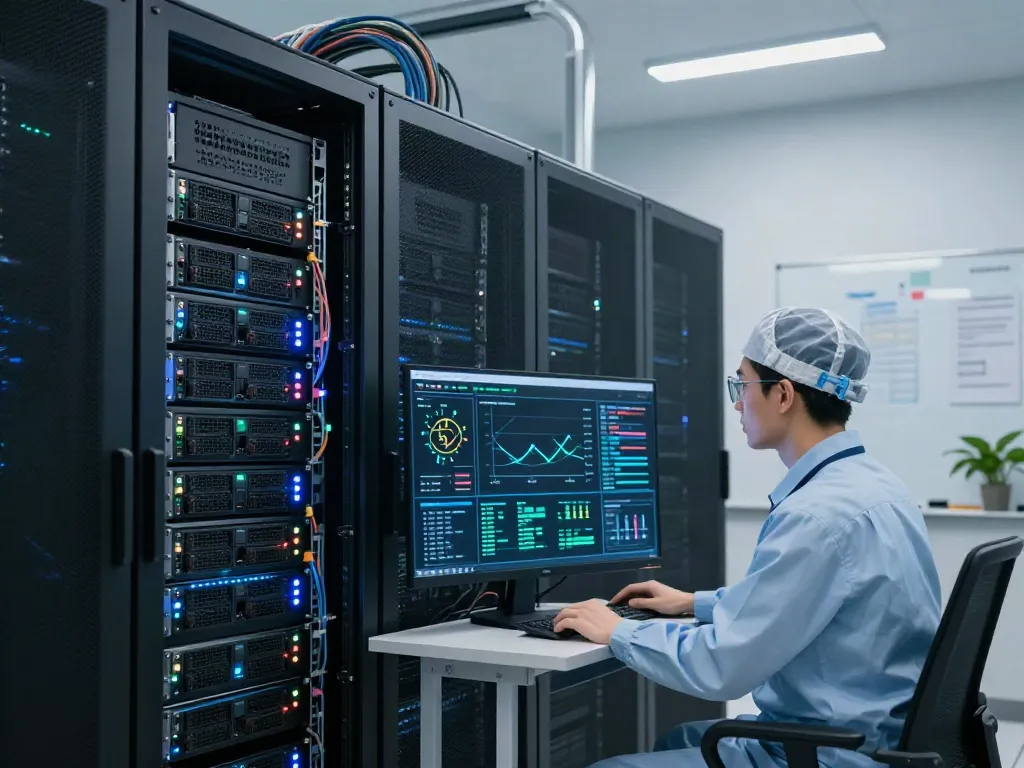
Queue detection software refers to a category of technological tools and systems engineered to monitor, analyze, and manage queues. This software employs various sensors and algorithms, including video analytics, radio frequency identification (RFID), and IoT devices, to detect queues' lengths and monitor the flow of individuals in systems where waiting is expected. Using data collected in real-time, it provides valuable insights, alerts, and notifications that facilitate more efficient management of customer interactions.
Key Features and Benefits
Queue detection software often comes equipped with a range of features designed to optimize its functionality and effectiveness. Some key features include:
- Real-Time Monitoring: Continuous updates on queue lengths and waiting times allow managers to make informed decisions instantly.
- Data Analytics: Historical data analysis helps identify trends, predict peak times, and improve planning.
- Alerts and Notifications: Automatic notifications for personnel when certain threshold metrics are met, facilitating prompt action.
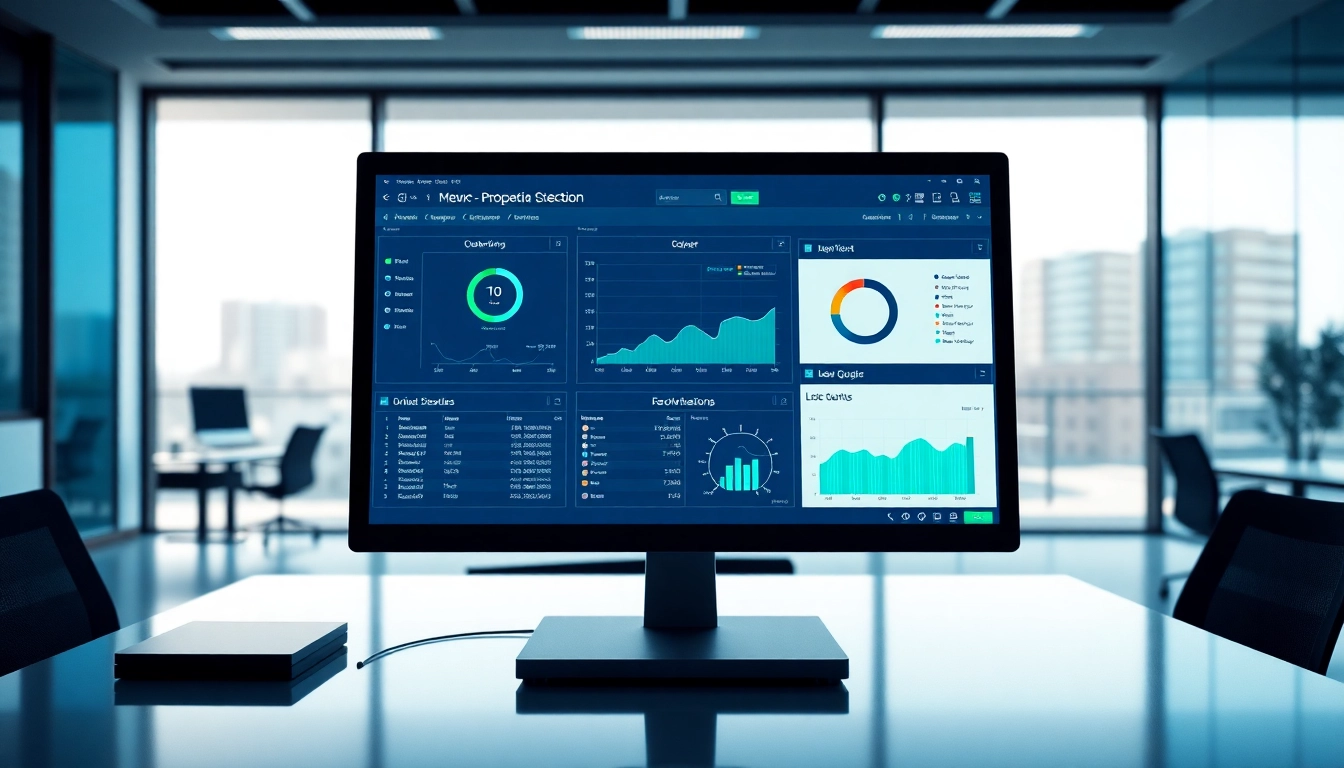
- User-Friendly Dashboard: Centralized display of data, allowing easy access and comprehension of real-time metrics.
- Integration Capability: Compatibility with other systems, including point-of-sale (POS) and customer relationship management (CRM) systems.
The benefits of utilizing queue detection software extend beyond just operational efficiency. They include improved customer satisfaction through reduced wait times, better staff allocation, and enhanced overall service quality.
Common Applications of Queue Detection
The deployment of queue detection software can be observed across numerous sectors. Some common applications include:
- Retail Stores: Managing checkout lines efficiently by redirecting customers to the shortest available line.
- Airports: Monitoring passenger flows at check-in, security, and boarding gates to optimize experience.
- Healthcare: Streamlining patient flow in hospitals and clinics, ensuring timely service delivery.
- Traffic Management: Monitoring vehicle queues at traffic signals and busy intersections to mitigate congestion.
- Event Management: Managing attendance and entry flows at conferences, concerts, and sports events.
How Queue Detection Software Works
Technology Behind Queue Detection
At the heart of queue detection software is a suite of technologies that facilitate its operational effectiveness. It typically integrates:
- Video Analytics: Cameras capture video footage that algorithms analyze to determine queue lengths based on movement patterns.
- RFID Technology: RFID tags can track the movement of customers and items, allowing precise monitoring of queues.
- IoT Sensors: Networked sensors can detect the presence and number of people in a specific area, transmitting data to analytics platforms.
By employing these technologies collaboratively, the software can accurately measure queue dynamics and provide actionable insights to management.
Real-Time Analysis and Reporting
One of the defining characteristics of queue detection software is its ability to deliver real-time data analysis. This allows organizations to:
- Assess Queue Dynamics: Understand how quickly queues build-up and dissipate throughout the day.
- Generate Reports: Create comprehensive reports detailing queue length statistics, waiting times, and peak usage rates.
- Facilitate Decision Making: Enable managers to react efficiently to emerging situations by providing timely data access.
Integration with Existing Systems
Effective queue detection software should integrate smoothly with existing business systems. This integration might include:
- CRM Systems: Linking customer data to queue management can personalize service and streamline operations.
- POS Systems: Coordinating cashier operations with queue data can result in optimized transaction processing.
- Marketing Tools: Leveraging queue insights for targeted promotions during high-traffic periods can enhance sales opportunities.
Implementing Queue Detection Software
Steps for Successful Implementation
Implementing queue detection software requires careful planning and execution. Here are essential steps to ensure successful integration:
- Assess Needs: Identify specific requirements based on your organizational context and customer flow scenarios.
- Select Appropriate Software: Choose software that aligns with your needs and offers flexibility and scalability.
- Engage Stakeholders: Involve critical stakeholders, from management to frontline staff, in the planning phase to ensure buy-in.
- Training and Support: Provide adequate training for users to familiarize them with the software's features and benefits.
- Monitor and Adjust: Continuously assess the software's performance post-implementation and make necessary adjustments.
Challenges to Consider
While queue detection software offers invaluable advantages, various challenges may arise, such as:
- Resistance to Change: Employees may be hesitant to adopt new technologies, necessitating effective change management strategies.
- Integration Complexities: Ensuring compatibility with existing systems can sometimes pose technical challenges.
- Data Privacy: Properly managing and protecting customer data is critical in maintaining trust and compliance with regulations.
By recognizing these challenges early on, organizations can develop strategies to mitigate potential issues.
Customization for Specific Needs
Every organization has unique requirements; thus, customization of queue detection software can enhance its effectiveness. Customization options may include:
- User Interfaces: Tailoring dashboards to display the most relevant metrics for specific users.
- Reporting Features: Adjusting report formats and frequencies to match organizational preferences and goals.
- Alerts and Notifications: Configuring notification settings to align with operational protocols and expectations.
Custom-fit software can significantly increase adoption rates and enhance operational efficiencies.
Measuring the Effectiveness of Queue Detection
Key Performance Indicators (KPIs)
To accurately evaluate the effectiveness of queue detection software, organizations should rely on Key Performance Indicators (KPIs), such as:
- Average Queue Length: Measures the typical number of individuals in line during specified times.
- Average Wait Time: Tracks the time customers spend waiting in queues, providing insights into service efficiency.
- Customer Satisfaction Scores: Surveys can gauge customer satisfaction levels regarding wait times and overall service experience.
- Staff Utilization Rates: Measures the efficiency of employee deployment with respect to processing customers.
User Feedback and Response Time
User feedback is crucial for continuous improvement. Collecting this information allows organizations to:
- Identify Pain Points: Understand where customers experience delays or dissatisfaction.
- Refine Processes: Use feedback to improve queue management processes and address identified issues.
Additionally, response times to customer feedback can significantly influence overall satisfaction levels, contributing to a positive service experience.
Continuous Improvement Strategies
Establishing continuous improvement strategies is essential for maximizing the benefits of queue detection software. These strategies may include:
- Regular Performance Reviews: Conduct frequent assessments of queue monitoring capabilities to identify areas for enhancement.
- Emerging Technologies: Stay informed about advancements in queue detection technologies and adapt accordingly.
- Engaging Customers: Involve customers in feedback and improvement discussions, benefiting from their insights and suggestions.
Future Trends in Queue Detection Software
AI and Machine Learning Enhancements
The future of queue detection software likely hinges on advancements in artificial intelligence (AI) and machine learning. These technologies can:
- Predictive Analytics: Analyze historical data to predict future traffic patterns and allow for proactive management.
- Dynamic Resource Allocation: Adjust workforce deployment based on real-time data, ensuring optimal customer service.
Integration with Smart City Technologies
As cities continue to evolve into smart ecosystems, queue detection software can integrate with city-wide monitoring systems. This will help:
- Sustainable Practices: Manage traffic flows in urban settings, reducing congestion and enhancing environmental sustainability.
- Enhanced Public Services: Streamline services in public spaces, such as parks and libraries, by monitoring crowd levels.
Potential Market Developments
The queue detection software market is anticipated to grow significantly as businesses recognize its value. Potential developments include:
- Expansion in Various Sectors: Broader adoption in sectors like tourism, hospitality, and entertainment.
- Emphasis on User Experience: Continual improvements aimed at enhancing user experience and satisfaction.
FAQs about Queue Detection Software
What is the primary purpose of queue detection software?
The primary purpose of queue detection software is to monitor and manage queues efficiently, reducing wait times and enhancing customer experience.
How does queue detection software benefit retail businesses?
It helps retail businesses by optimizing checkout lines, reducing wait times, and improving overall customer satisfaction.
Can queue detection software integrate with existing systems?
Yes, many queue detection software solutions can integrate with POS systems, CRM tools, and other business management software.
Is real-time data analysis available in queue detection software?
Yes, real-time data analysis is a core feature of queue detection software, enabling immediate responses to queuing situations.
How can I measure the effectiveness of queue detection?
Effectiveness can be measured using KPIs such as average queue length, average wait time, and customer satisfaction scores.