Understanding Equipment Transport
What is Equipment Transport?
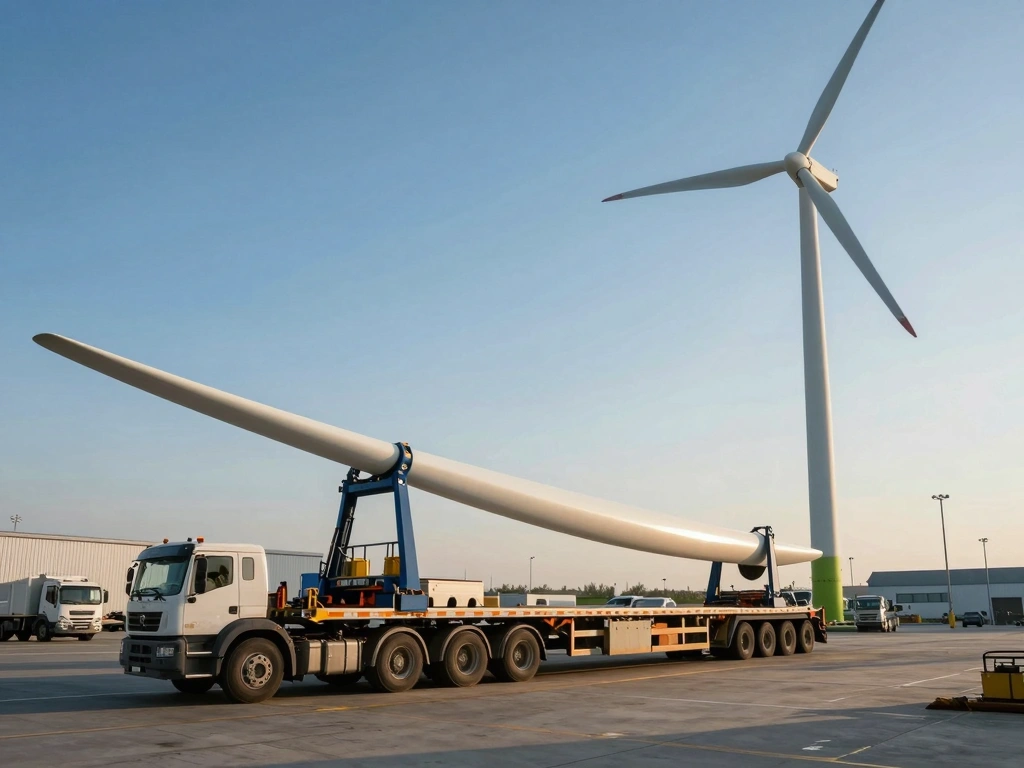
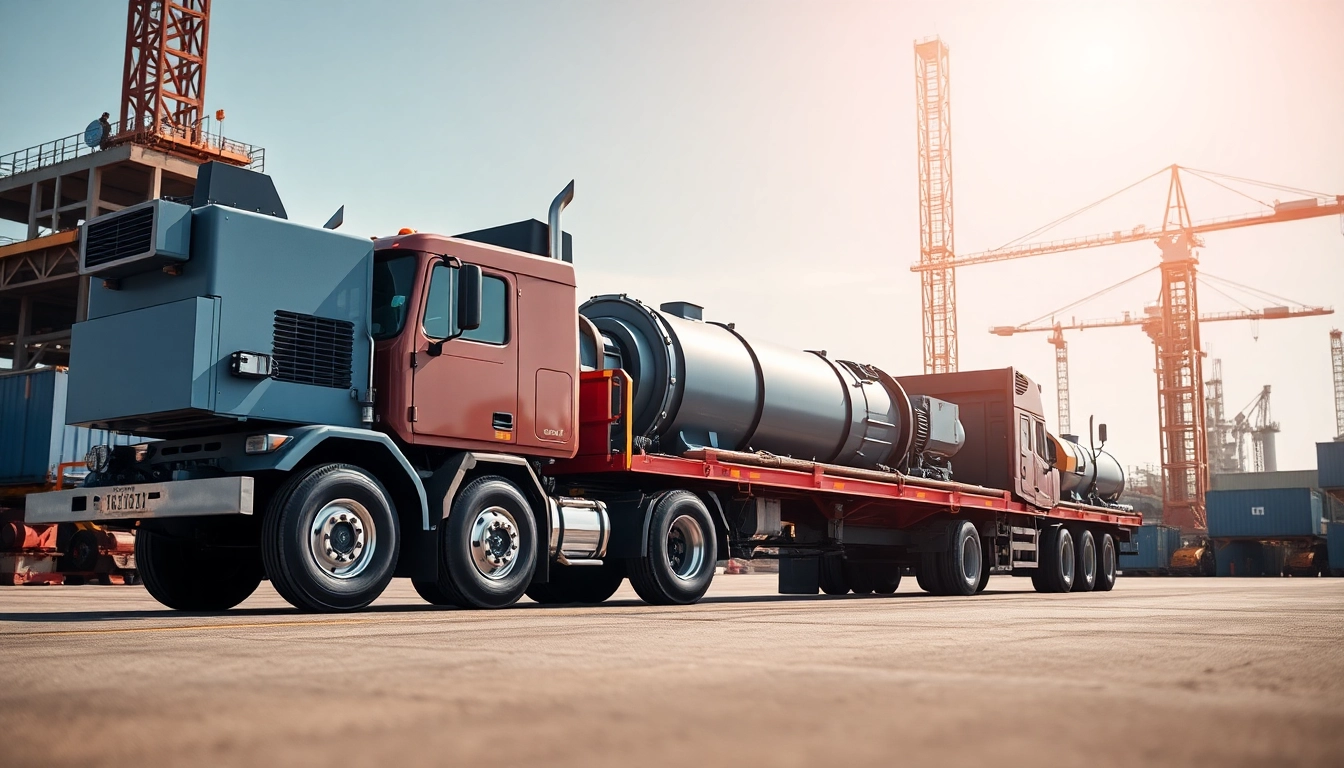
Equipment transport refers to the movement of heavy machinery, tools, and vehicles from one location to another. This process involves specialized services designed to safely and efficiently transport varied types of equipment. Due to the size, weight, and value of these items, the transport process often requires custom solutions including specialized trailers, rigging, and experienced personnel. The industry encompasses diverse sectors including construction, agriculture, and manufacturing, each with its demands and requirements. equipment transport providers understand these unique needs and tailor their services accordingly.
Importance of Equipment Transport
Efficient equipment transport is vital for businesses that rely on heavy machinery to operate. Timely delivery ensures that projects stay on schedule, minimizing downtime. Additionally, proper transport methodologies help prevent damage during transit, maintaining the integrity of expensive equipment. In industries such as construction, the timely transport of equipment can be the difference between meeting project deadlines or incurring costly delays. Furthermore, reputable transport companies enhance safety by ensuring compliance with regulations regarding heavy loads, weight limits, and transportation logistics.
Types of Equipment Transport Services
Various transport services cater to different equipment needs. Below are some common types:
- Flatbed Transport: Ideal for transporting large machinery that is not sensitive to the elements.
- Enclosed Transport: Provides additional protection against weather conditions, suitable for delicate or high-value equipment.
- Lowboy Trailers: Designed for transporting heavy machinery that exceeds standard height restrictions.
- RGN (Removable Gooseneck) Trailers: Allow for easy loading of heavy equipment thanks to their low-loading angle and detachable neck.
- Specialized Transport: Tailored solutions for unique needs such as oversized or non-standard equipment.
Selecting the Right Equipment Transport Provider
Factors to Consider
When choosing an equipment transport provider, several critical factors should be evaluated:
- Experience: Look for companies with experience handling your specific type of equipment.
- Reputation: Research customer reviews and testimonials to gauge reliability and service quality.
- Insurance: Ensure the provider has adequate insurance coverage to protect your equipment during transit.
- Equipment: Check the types of vehicles and equipment the provider uses to ensure they match your transport needs.
- Customer Support: Select a provider that offers responsive customer service and communication throughout the transport process.
Cost Estimates for Equipment Transport
The cost of transporting equipment can vary widely based on several factors, including:
- Distance: Longer distances generally result in higher transportation costs.
- Weight and Size: Heavier and larger equipment may incur additional fees due to regulations and resource allocation.
- Route Complexity: Difficult routes requiring special permits or additional equipment can affect pricing.
- Transport Timeframe: Expedited services often come at a premium, while advanced scheduling may offer cost benefits.
Questions to Ask Your Transport Provider
Before finalizing a transport provider, consider asking the following questions:
- What types of equipment do you specialize in transporting?
- Can you provide references from previous clients?
- What is your liability coverage in case of damage?
- How do you ensure safe loading and unloading?
- What are the estimated timelines for transport?
Best Practices for Safe Equipment Transport
Preparing Equipment for Transport
Proper preparation of equipment before transport is crucial for minimizing risks. Here are the best practices:
- Inspection: Conduct a thorough pre-transport inspection to identify any potential issues.
- Cleaning: Clean machinery to remove dirt and debris, which can conceal potential damage.
- Securing Movable Parts: Secure all moving parts to prevent damage or accidents during transport.
- Disconnecting Attachments: Remove any non-essential attachments that may not be needed during transport.
Insurance and Liability Considerations
Cargo insurance is essential for protecting your equipment from loss or damage during transport. Ensure your chosen provider offers comprehensive coverage, including:
- Full value coverage for high-cost machinery.
- Liability coverage in case of accidents.
- The option to purchase additional insurance if needed.
Loading and Unloading Safely
The loading and unloading processes are critical stages in equipment transport. The following safety procedures should be followed:
- Use Appropriate Equipment: Utilize forklifts, dollies, and ramps to assist with heavy lifting.
- Communicate Clearly: Ensure that all personnel involved are aware of proper loading and unloading protocols.
- Weight Distribution: Ensure even weight distribution on transport vehicles to maintain stability during transit.
Innovations in Equipment Transport
Technology Enhancements in Transport
Recent technological advancements have significantly impacted equipment transport services. Technologies include:
- GPS Tracking: Allows real-time tracking of shipments, providing transparency and peace of mind to clients.
- Telematics: Provides data on vehicle performance and location to optimize transport routes and schedules.
- Automated Dispatch Systems: Streamlines logistics and improves efficiency in the scheduling and execution of transport services.
Sustainability in Equipment Transport
As environmental concerns grow, the equipment transport industry is adopting more sustainable practices:
- Fuel Efficiency: Modern transport vehicles are being designed for better fuel efficiency to reduce carbon footprints.
- Alternative Fuels: Exploration and implementation of alternative fuels such as biodiesel and electric vehicles are becoming more common.
- Eco-Friendly Packaging: More companies are using sustainable materials for packaging equipment to minimize environmental impact.
Future Trends to Watch
As the equipment transport landscape evolves, several trends are emerging:
- Increased Automation: Expect greater automation in logistics and equipment handling to enhance efficiency.
- Data-Driven Decisions: More companies are embracing data analytics to refine their transport strategies.
- Growth of E-commerce: The rise of online businesses is creating new demand for efficient equipment transport solutions.
FAQs about Equipment Transport
How much does it cost to transport equipment?
Transport costs can range from $2 to $5 per mile, influenced by weight, size, distance, and route complexity.
What types of equipment are transported?
Common categories include construction machinery, agricultural tools, industrial machines, and specialized equipment.
How to prepare equipment for transport?
Preparation involves cleaning, securing movable parts, detaching unnecessary attachments, and conducting a thorough inspection.
What insurance options are available?
Most providers offer cargo insurance to protect against loss or damage during transport, with variable coverage levels.
When should I book equipment transport services?
It’s advisable to schedule transport at least a week in advance to ensure availability and adequate planning.
Contact Information
Call Us: 4062607988Address: 3906 MT-40, Columbia Falls, MT 59912