
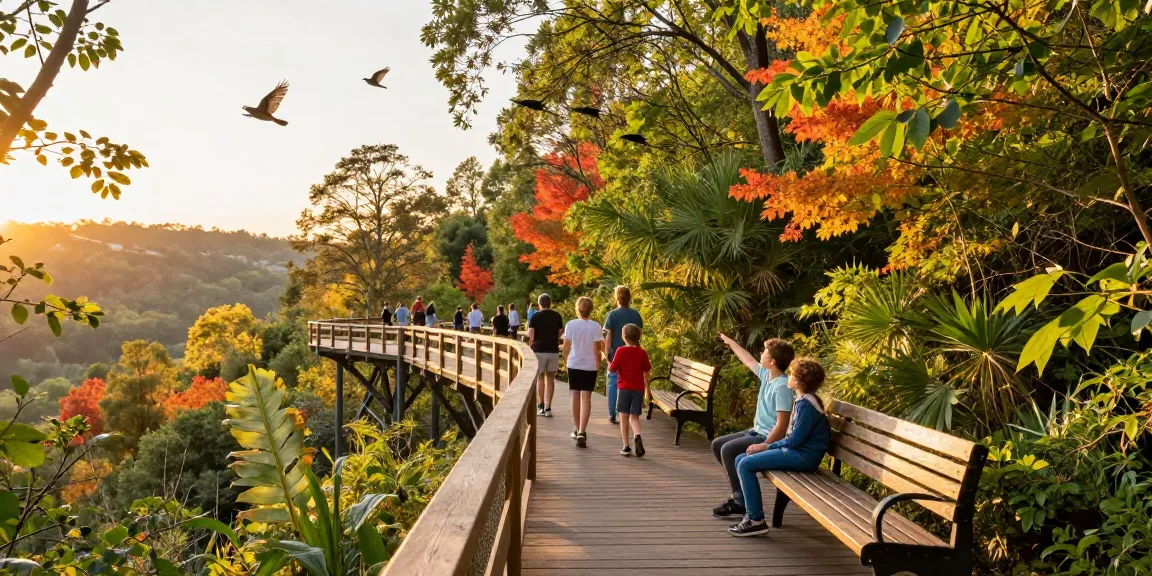
Understanding the Concept of Treetop Walkways
Treetop walkways provide a unique opportunity to experience nature from a height, offering breathtaking views of forest landscapes that are typically inaccessible from the ground. These elevated structures, often made of wood or metal, enable visitors to walk among the treetops, creating an immersive experience in which they can observe flora and fauna from a vantage point that few get to enjoy. When exploring options, Treetop Walkway experiences provide comprehensive insights into these elevated adventures.
What is a Treetop Walkway?
A treetop walkway is a man-made or naturally designed path that allows visitors to stroll above the forest floor, often reaching heights of 10 to 70 feet or more. These walkways vary in length and complexity, with some featuring intricate bridges and platforms that wind through the canopy, while others simply provide a straightforward path. Designed with safety and accessibility in mind, they often include railings and resting areas where visitors can take in the stunning views.
History and Evolution of Treetop Walkways
The concept of walking above the ground in forest canopies is not new; indigenous cultures have utilised trees in rituals and daily life for centuries. However, the modern trail of treetop walkways began gaining popularity in the late 20th century as eco-tourism started to rise. Locations such as the Kew Gardens Treetop Walkway in London and the Murch Canopy Walk in Ohio have paved the way, encouraging conservation and education through captivating experiences above the trees.
Key Features of Treetop Walkways
- Height: Walkways can range from as low as 10 feet to upwards of 100 feet above the ground.
- Materials: Typically constructed from sustainably sourced wood or steel for durability and stability.
- Design: Many incorporate winding paths, observation platforms, and educational displays about local wildlife and ecosystem.
- Accessibility: Designed to be wheelchair-friendly in many modern installations, ensuring that everyone can enjoy the experience.
Popular Treetop Walkways Around the World
Top Treetop Walkways in Europe
Europe boasts some remarkable treetop walkways, each offering unique perspectives of its surrounding environment. For example, the Treetop Walkway at Kew Gardens is an 18-metre elevated structure that meanders through the treetops, providing visitors with an unparalleled view of various plants and trees.
Must-Visit Treetop Walkways in America
In the United States, the Wild Walk at The Wild Center in New York is an exciting example, featuring a series of elevated structures that connect visitors with the wildlife of the Adirondacks. This walk includes a four-story twig treehouse and various play areas that enhance the experience.
Unique Treetop Walkways in Australia and Asia
Australia offers stunning treetop walks, such as the Tahune AirWalk in Tasmania, which allows visitors to walk along suspended pathways over the Huon River. In Asia, Singapore’s Treetop Walk in MacRitchie Reservoir lets visitors explore a 250-metre-long walkway that connects to various trails in the region, all while observing the rich biodiversity of the forest.
Benefits of Visiting Treetop Walkways
Connection with Nature and Biodiversity
One of the primary benefits of visiting treetop walkways is the opportunity to connect with nature in a unique way. Walking among the trees allows individuals to observe wildlife, from birds to squirrels, in their natural habitat, enhancing an appreciation for biodiversity and conservation.
Health Benefits of Outdoor Activities
Engaging in outdoor activities like walking on treetop walkways can have significant health advantages. Fresh air, exercise, and exposure to nature contribute to improved mental and physical well-being. Many studies have shown that spending time in nature can reduce stress, enhance mood, and promote better overall health.
Educational Opportunities Through Eco-Tourism
Treetop walkways also serve as educational platforms, offering insight into the ecosystems they inhabit. Many walkways include interpretive signs and guided tours that educate visitors about local flora and fauna and the importance of conservation efforts.
Tips for Planning Your Treetop Walkway Adventure
Best Times to Visit Treetop Walkways
The ideal time to visit a treetop walkway often depends on the location. In general, spring and autumn are excellent seasons for a visit, as temperatures are usually mild, and wildlife activity is heightened. However, be sure to check local weather patterns and peak tourist seasons to maximise your experience.
What to Pack for Your Treetop Adventure
When planning your visit, it's important to prepare adequately. Essential items may include:
- Comfortable walking shoes
- Weather-appropriate clothing
- Water for hydration
- A camera to capture the stunning views
- Snacks for energy during your adventure
Safety Precautions to Consider
While treetop walkways are designed with safety in mind, it is still important to follow guidelines provided by the management. This could include wearing appropriate footwear, adhering to maximum capacity limits, and ensuring children are supervised. Always be mindful of your surroundings to fully enjoy the experience safely.
Future Trends in Treetop Walkway Design and Accessibility
Innovative Designs Enhancing Visitor Experience
The future of treetop walkways looks promising, with innovations focusing on enhancing visitor experiences through design. More walkways are being created with interactive elements, such as augmented reality features that can educate visitors about the ecosystem as they walk.
Sustainability Practices in Treetop Walkway Construction
As environmental awareness grows, so does the emphasis on sustainability in construction. Modern treetop walkways are often built using recycled or sustainably sourced materials, ensuring minimal impact on the ecosystems they inhabit.
Accessibility Solutions for All Visitors
Future treetop walkways will likely place greater emphasis on accessibility, ensuring that individuals with mobility challenges can enjoy the beauty of the forest canopy. This includes ramps, elevators, and continuously wide pathways that accommodate wheelchairs and strollers.
What Can You Expect from Treetop Walkways in 2026?
As we approach 2026, we can anticipate treetop walkways to become even more engaging, with greater emphasis on education, sustainability, and visitor comfort. Additionally, there will likely be a surge in participatory experiences that encourage visitors to engage with and contribute to conservation efforts.
Tips for Beginners: What to Know Before You Go
If you’re new to treetop walkways, start with a local or less crowded option to gauge your comfort level and gradually explore more complex structures. Research the specific walkway you plan to visit beforehand to understand the layout, accessibility features, and safety measures in place.
Are Treetop Walkways Worth the Investment?
With the myriad of benefits, from health and educational opportunities to unique experiences of nature, visiting a treetop walkway is often seen as a valuable investment of time and resources for many nature lovers and adventure seekers. With proper planning, your treetop adventure can be both enjoyable and enriching, leaving you with lasting memories and a deeper understanding of our planet's ecosystems.